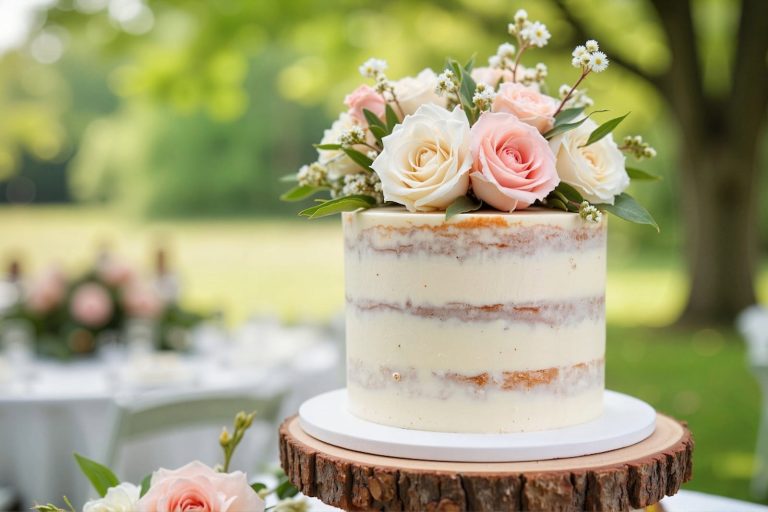
Building a multi-tiered cake is an impressive feat of culinary artistry, but it is also an exercise in structural engineering. Without proper internal support, the immense weight of upper tiers will cause lower layers to bulge, crack, or completely collapse. Achieving a professional, gravity-defying masterpiece requires precise planning, reliable support materials, and careful execution at every stage of assembly.
Understanding Cake Physics and Weight Distribution
Before baking your first batch of batter, you must understand how gravity affects soft baked goods. Sponge cake, buttercream, and fillings are surprisingly heavy. When stacked directly on top of one another without intervention, the bottom tier bears the cumulative weight of everything above it.
If that weight is not redistributed directly to the base board, the bottom tier will compress. This compression leads to leaning towers, cracked fondant, and disastrous structural failures. Internal support systems act as invisible pillars that transfer the weight of each individual tier directly down to the foundation board, leaving the actual cake sponge free from crushing pressure.
Choosing the Right Foundation and Boards
The base of your cake is only as strong as its foundation board. Flimsy cardboard circles purchased from standard craft stores will bend under pressure, ruining your alignment.
-
Cake Drums: For multi-tiered creations, always use thick cake drums or multiple heavy-duty cardboard rounds taped together.
-
Foam Core Boards: Half-inch foam core boards provide exceptional rigidity for heavier celebration cakes without adding unnecessary weight.
-
Tier-Sized Boards: Every single tier above the base must sit on its own individual cardboard round cut to the exact diameter of that specific tier. Never place a naked cake tier directly onto the decorated tier below it.
Selecting and Preparing Support Dowels
Dowels form the skeleton of your tiered structure. You can choose from wooden dowels, thick plastic structural pillars, or heavy-duty bubble tea straws depending on the weight of your layers.
-
Wooden Dowels: Excellent for heavy, dense cakes like fruitcake or dense mud cakes because of their rigid strength.
-
Plastic Dowels or Straws: Ideal for standard butter cakes and lighter sponges, and they are much easier to cut to size using standard kitchen shears.
-
The Center Rod: Many bakers use a hollow or threaded central rod driven straight through the center of all assembled tiers down to the base board to lock everything in place during transport.
Step-by-Step Guide to Stacking Tiers Safely
Precision during assembly prevents shifting, sliding, and leaning. Take your time with each phase to ensure absolute stability.
Chill Your Tiers Thoroughly
Never attempt to stack cakes at room temperature. Chill every individual tier in the refrigerator for at least three to four hours. Firm sponges and cold buttercream withstand handling much better and prevent structural sliding during stacking.
Measure and Insert Support Dowels
Take the cardboard board matching your upper tier and gently press it into the center of the frosted lower tier to leave a faint indentation. This circle outlines your safe zone.
-
Insert your first support dowel straight down inside that marked circle until it hits the bottom cake board.
-
Pull the dowel out, check where the frosting or cake top met it, and use it as a template to cut that dowel and three to seven others to the exact height of the cake.
-
Insert the cut dowels evenly inside the circle in a tight pattern (typically four to six dowels depending on tier width) to bear the weight of the next level.
Apply the Central Anchor and Secure Tiers
Spread a small dollop of fresh buttercream or royal icing onto the center of the doweled tier to act as edible glue. Carefully lift the next tier using a spatula or cake lifter, center it precisely over the lower tier, and lower it gently into place. Repeat this doweling process for every subsequent tier until you reach the top, which does not require dowels because nothing sits above it.
Transporting and Displaying Your Structure
Once stacked, a multi-tiered cake has a high center of gravity. Keep these rules in mind when moving your creation:
-
Drive Defensively: Always transport cakes on a flat, non-slip surface such as the floorboards of a passenger seat or the flat boot of a car with a non-skid mat underneath. Never place a tiered cake on a slanted car seat.
-
Cold Storage: Keep the assembled cake refrigerated until shortly before the event if your frosting is dairy-based, as cool temperatures keep the internal structure firm.
-
Final Touch-ups: Cover any seam gaps between tiers with decorative piping, borders, or fresh floral arrangements after arrival at the venue.
Frequently Asked Questions
Can I use wooden skewers instead of cake dowels?
Standard barbecue skewers are far too thin and flexible to support heavy upper tiers safely. Always use thick wooden dowels, heavy-duty plastic rods, or wide bubble tea straws designed specifically for structural weight distribution.
How far from the edge should I place my support dowels?
Keep your support dowels roughly one to one-and-a-half inches inside the perimeter of the upper tier board footprint. If you place them too close to the edge, the cake edge might blowout; if placed too close to the center, the outer edges will sag.
Is a center rod mandatory for a two-tier cake?
For a simple two-tier cake where the top tier is relatively small and light, a tight cluster of support dowels in the bottom tier is usually sufficient. However, for three tiers or more, a center rod running through all levels is strongly recommended to prevent sliding during transport.
What should I do if my cake starts leaning during assembly?
Do not try to force it straight by hand. Carefully lift off the upper tier using a cake spatula, remove the compromised dowels, correct or level the underlying sponge if necessary, and re-insert fresh support dowels before restacking.
Can I stack fruit cake using the same method?
Yes, but because rich fruit cakes are exceptionally heavy and dense, you should increase the number of support dowels and opt for thicker wooden or heavy-duty plastic structural rods to handle the load.