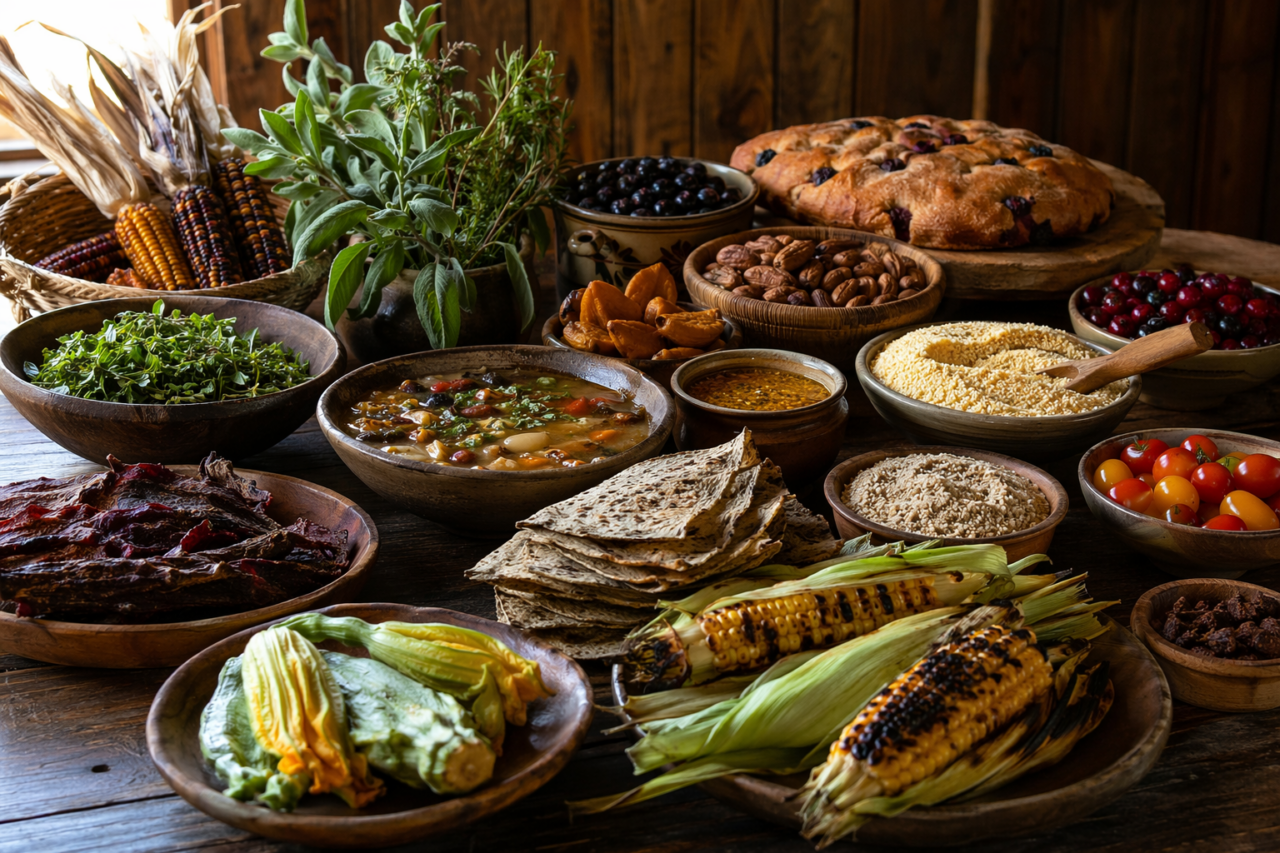
Modern culinary culture is currently experiencing a profound shift toward local, sustainable, and hyper-seasonal eating. Beneath this contemporary trend lies a much deeper, historically rich foundation rooted in the traditions of Indigenous peoples. The modern indigenous food movement is not merely a gastronomic preference; it represents a powerful political, cultural, and ecological resurgence. For centuries, native communities maintained intricate food systems that honored the surrounding land while providing complete nutritional sovereignty. Understanding the historical roots of these movements requires examining how colonial disruptions altered traditional diets, how ancestral agricultural knowledge survived through generations, and how contemporary chefs and activists are reclaiming culinary heritage today.
Pre-Colonial Abundance and Ecological Harmony
Before the arrival of European settlers, indigenous nations across the Americas cultivated vast, highly sophisticated food systems tailored to their distinct geographical regions. These practices were guided by a philosophy of reciprocity, viewing the earth not as a resource to be exploited, but as a living relative that required care and balanced stewardship.
-
The Three Sisters Polyculture: Planting corn, climbing beans, and winter squash together created an ingenious symbiotic ecosystem where corn provided structural support, beans fixed vital nitrogen into the soil, and sprawling squash leaves locked in moisture while suppressing weeds.
-
Controlled Foraging and Wild Stewardship: Communities practiced controlled burns, coppicing, and selective harvesting to manage wild berry patches, root meadows, and coastal fisheries, ensuring perennial abundance without depleting natural populations.
-
Complex Processing Science: Indigenous food systems relied on advanced techniques like nixtamalization, treating maize with alkaline solutions to unlock essential nutrients such as niacin and bioavailable calcium, turning simple corn into a nutritional powerhouse.
The Disruption of Indigenous Food Systems
The arrival of European colonization initiated a systematic dismantling of traditional native foodways. Land dispossession, forced relocations onto reservations, and the deliberate destruction of indigenous flora and fauna were utilized as tools of political subjugation.
-
Ration Economy Dependency: Federal policies restricted hunting and foraging rights, forcing native communities to rely heavily on government-issued commodity rations consisting of refined flour, processed sugar, lard, and canned meats.
-
Agricultural Displacement: Fertile ancestral lands traditionally used for diverse polycultures were converted into large-scale commercial monocultures, severing communities from their traditional seed lines and agricultural practices.
-
Health and Cultural Severance: The forced abandonment of nutrient-dense traditional diets in favor of heavily processed, commodity-based foods led directly to disproportionate rates of diet-related health crises, including diabetes and heart disease within native populations.
The Seed Keepers and Knowledge Resurgence
Despite aggressive assimilation policies and systemic barriers, ancestral knowledge survived through oral traditions, clandestine seed saving, and quiet acts of cultural preservation. Elders and dedicated seed keepers protected rare heirloom varieties of corn, beans, and squash, passing them down through generations to ensure that the genetic lineage of native foods remained unbroken.
-
Preserving Biodiversity: Seed keepers maintain vaults and community gardens containing ancient crop varieties resilient to local climate shifts, droughts, and pests.
-
Intergenerational Teaching: Grassroots workshops and community-led programs reconnect younger generations with the physical labor, rituals, and language tied to harvesting and processing traditional ingredients.
-
Reclaiming Sovereignty: Modern grassroots initiatives actively work to regain control over food production, shifting away from dependency on external systems toward self-determined agricultural autonomy.
Bringing Ancestral Foods Back to the Table
Today, the indigenous food movement has expanded into mainstream consciousness, driven by native chefs, historians, and activists who are opening restaurants, publishing cookbooks, and advocating for food policy reform. This movement emphasizes decolonizing the plate by eliminating ingredients introduced post-contact, such as wheat flour, refined sugar, dairy, and beef, in favor of pre-contact native staples.
-
Re-centering Native Proteins: Menus highlight wild game such as bison, venison, and wild fowl alongside native fish species, reflecting historical hunting practices.
-
Foraged Botanicals: Contemporary dishes incorporate wild aromatics, local berries, tree syrups, and native greens that connect diners directly to the regional ecosystem.
-
Culinary Education: Dining experiences are utilized as educational platforms to teach the public about native history, land rights, and the ecological wisdom embedded in indigenous agriculture.
Frequently Asked Questions
What does the term food sovereignty mean within indigenous communities?
Food sovereignty refers to the inherent right of peoples to define their own agricultural, labor, fishing, food, and land policies that are ecologically, socially, economically, and culturally appropriate to their unique circumstances. It emphasizes local control and self-determination.
Why do indigenous food movements exclude ingredients like wheat and beef?
Pre-contact diets in the Americas did not include wheat, dairy, domesticated cattle, or refined cane sugar, as these were introduced following European colonization. Focusing strictly on pre-contact ingredients helps repair the metabolic health disparities linked to colonial food systems.
How do modern native chefs source traditional ingredients for commercial kitchens?
Chefs often partner directly with tribal farmers, local foragers, and small-scale indigenous agricultural cooperatives that specialize in cultivating heirloom seeds and sustainably harvesting wild regional game and plants.
What role do youth programs play in the revitalization of native foodways?
Youth programs immerse younger generations in traditional harvesting, cooking, and storytelling, ensuring that the ecological wisdom, language, and practical skills required to maintain food sovereignty survive into the future.
How has the loss of traditional land access impacted native health?
Forcing indigenous populations off their expansive ancestral hunting and gathering grounds and onto reservations restricted physical activity and access to fresh, nutrient-dense wild foods, sparking a lasting reliance on low-cost processed foods.
Are traditional indigenous agricultural methods considered sustainable today?
Yes, ancient techniques like companion planting, multi-crop polycultures, and controlled land management mirror modern regenerative agriculture principles, offering powerful, eco-friendly solutions to contemporary environmental and climate challenges.