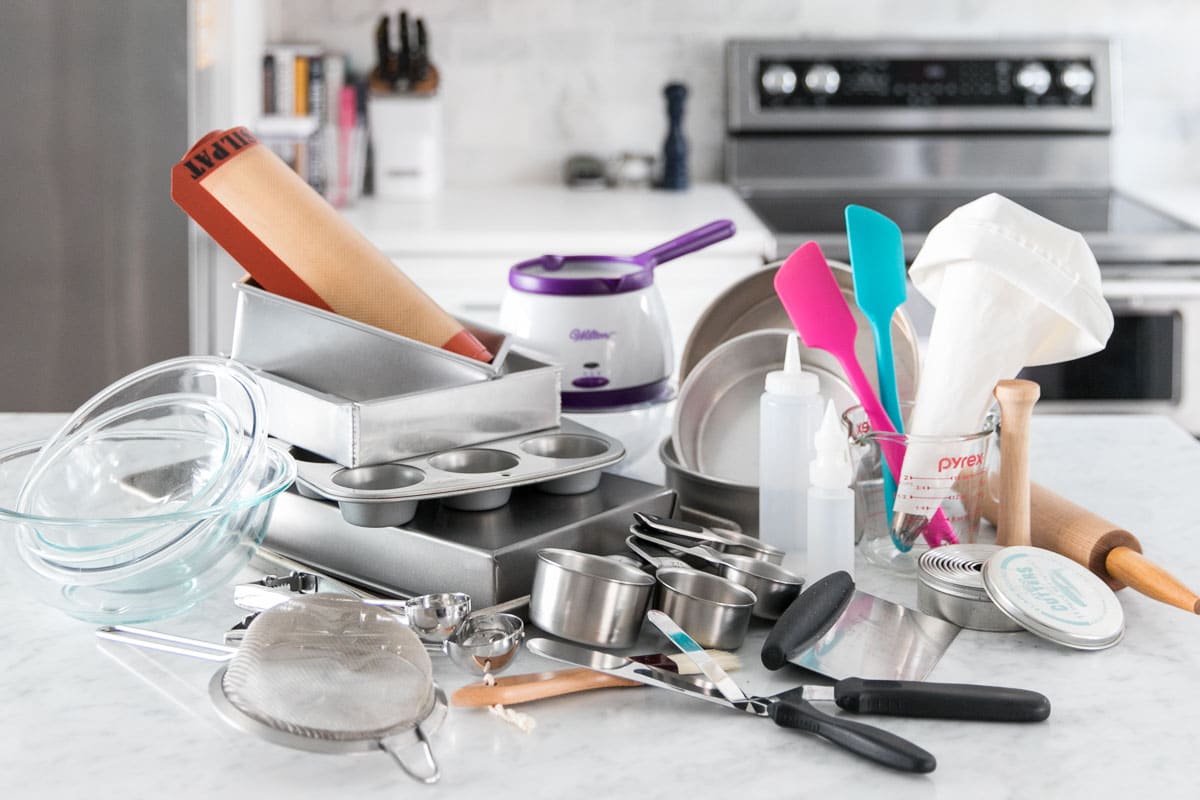
Stepping into the world of baking is an exciting culinary adventure. Unlike cooking, where adjustments can often be made on the fly, baking requires precision, patience, and the right tools. When you are starting out, the sheer volume of gadgets available in kitchen supply stores can feel overwhelming. You do not need to purchase every single specialty item on the market to produce professional-quality bread, pastries, and cakes.
Building a functional baking kitchen starts with investing in a curated selection of core equipment. Quality tools ensure consistency, reduce frustration, and last for years. Whether you are aiming to master flaky pie crusts or artisan sourdough loaves, having the proper foundation makes all the difference in your final results.
Measuring Tools for Absolute Precision
Baking is chemistry, and chemistry demands accuracy. Eyeballing ingredients is the quickest route to a sunken cake or dense cookies.
-
Digital Kitchen Scale: This is arguably the single most important tool for any serious baker. Measuring flour by volume using cups is notoriously inconsistent because flour packs down easily. A digital scale that measures in grams and ounces ensures exact quantities every single time.
-
Dry Measuring Cups and Spoons: For recipes that rely on volume measurements, sturdy metal or heavy-duty plastic cups and spoons are essential. Look for flat rims that allow you to level off ingredients cleanly with a straight edge.
-
Liquid Measuring Cups: Unlike dry cups, liquid measuring cups feature a spout for pouring and leave space at the top to prevent sloshing. Transparent glass or clear plastic cups with easy-to-read markings allow you to check liquid levels at eye level.
Mixing and Preparation Equipment
Once your ingredients are accurately measured, you need the right vessels and utensils to combine them properly without overworking the dough.
-
Stainless Steel Mixing Bowls: A set of nesting stainless steel bowls is durable, lightweight, and easy to clean. Unlike glass, they will not shatter if dropped, and unlike plastic, they do not retain odors or oils from past recipes.
-
Flexible Silicone Spatulas: A good spatula with a heat-resistant silicone head is indispensable. It allows you to scrape every last bit of batter from the sides of a bowl and folds delicate ingredients together without deflating whipped egg whites or cream.
-
Wire Whisks: A sturdy balloon whisk incorporates air into wet ingredients, removes lumps from dry mixtures, and ensures smooth custards and sauces.
Bakeware Foundations
The pans and sheets you bake on dictate how heat is distributed and how your crusts develop.
-
Heavy-Duty Rimless Baking Sheets: Aluminum baking sheets with a low rim are ideal for cookies, sheet cakes, and roasting. Heavy-gauge aluminum conducts heat evenly, preventing hot spots that cause uneven browning.
-
Standard Loaf Pans: Durable metal or glass loaf pans are necessary for sandwich breads, quick breads, and meatloaf. Light-colored aluminum pans yield a tender, golden crust, while dark metal pans promote faster browning.
-
8-Inch or 9-Inch Cake Pans: Straight-sided metal cake pans with a thickness that promotes even baking are essential for layer cakes. Investing in at least two matching pans makes baking multi-tiered cakes seamless.
Cutting and Shaping Implements
Manipulating dough requires specialized blades and surfaces to keep your workspace clean and your cuts precise.
-
Bench Scraper: A flat metal blade with a comfortable handle is a secret weapon for bakers. It helps portion dough, lift sticky bread dough from the counter, and clean up flour messes from your workspace effortlessly.
-
Rolling Pin: A heavy French-style rolling pin without handles gives you direct feedback and control over the thickness of pie dough and cookie dough.
-
Sharp Chef Knife or Paring Knife: For scoring bread, chopping nuts, or slicing fruit for toppings, a sharp blade ensures clean cuts without crushing delicate structures.
Cooling and Storage Essentials
The baking process does not end when something comes out of the oven. How you cool and store your goods heavily impacts their texture.
-
Wire Cooling Racks: Placing hot cookies, cakes, or loaves on a wire rack allows air to circulate underneath. Without this airflow, steam gets trapped at the bottom, causing the crust to become soggy.
-
Airtight Storage Containers: To maintain freshness and prevent staleness, storing baked goods properly is vital. Large airtight plastic or glass containers keep humidity out and flavor locked inside.
Frequently Asked Questions
Is a stand mixer strictly necessary for a beginner baker, or can I manage without one?
You can easily bake bread, cookies, and cakes without a stand mixer. Hand mixing with a wooden spoon, whisk, or inexpensive hand electric mixer is entirely sufficient for most beginner recipes and helps you develop a better feel for dough consistency.
Why is baking with a digital scale recommended over using measuring cups?
Flour and dry goods settle and pack down inside measuring cups over time, which can lead to using up to twenty percent more flour than a recipe intends. Weighing ingredients in grams guarantees absolute accuracy and prevents dry, crumbly baked goods.
What is the difference between light-colored and dark-colored baking sheets?
Light-colored metal baking sheets reflect heat, resulting in a gradual, even bake with light-colored crusts. Dark-colored sheets absorb heat much faster, which accelerates browning and can sometimes cause the edges of cookies to burn before the centers are fully baked.
How should I clean and maintain my aluminum baking sheets?
Hand washing aluminum baking sheets with warm soapy water and a non-abrasive sponge preserves their finish. Avoid putting them in the dishwasher, as harsh detergents can oxidize the aluminum and cause permanent discoloration or pitting.
Can I use glass mixing bowls instead of stainless steel ones?
Glass bowls work well and are microwave-safe, but they are heavier, can be slippery when greasy, and carry a risk of breaking if dropped. Stainless steel bowls are preferred by most bakers for their durability, light weight, and safety.
What material is best for a rolling pin when working with pastry dough?
Wooden rolling pins, particularly French-style dowel pins, are traditionally favored because they grip the dough slightly and allow for intuitive pressure adjustments. Marble rolling pins are also popular because their cool temperature keeps butter from melting in laminated doughs.
Why do cakes often sink in the middle during the first few minutes of baking?
A sunken center usually results from opening the oven door too early, causing a sudden drop in temperature, or from using expired leavening agents like baking powder. Ensuring your oven maintains a consistent temperature and keeping the door closed is crucial during the rise phase.