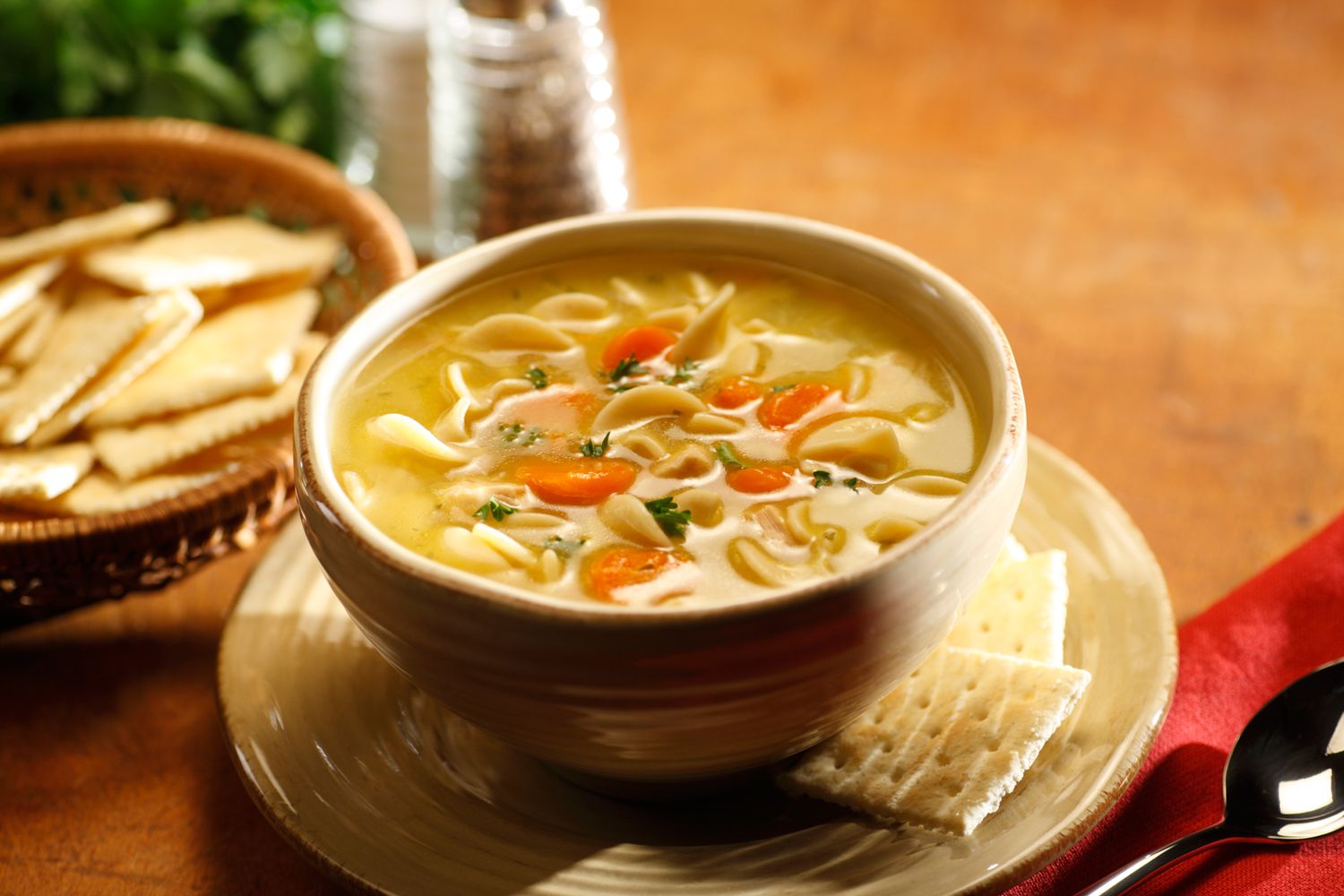
Soup is often celebrated as the ultimate comfort food, offering warmth, nourishment, and deep layers of flavor built through hours of simmering broths and tenderizing ingredients. Yet, even the most meticulously crafted stock can fall flat if it is served naked in a bowl. Professional chefs understand that a bowl of soup is an incomplete canvas until the final step of garnishing is applied. A thoughtful garnish does far more than provide visual appeal; it introduces contrasting textures, bursts of fresh acidity, and aromatic finishes that transform a simple weeknight soup into an extraordinary culinary experience. Mastering this final touch allows home cooks to elevate everyday meals into restaurant-grade creations with minimal effort.
The Science of Contrast in Soup Presentation
When diners consume a bowl of soup, the palate quickly adapts to a uniform texture, which can lead to sensory fatigue after only a few spoonfuls. Smooth purees, rich bisques, and hearty broths all suffer from this lack of variation if left unadorned. Introducing targeted garnishes solves this problem by engaging multiple senses before and during the meal.
-
Textural Interruption: Adding crunchy elements like toasted seeds, croutons, or crispy shallots breaks up the monotony of liquid and soft solids, keeping every bite interesting.
-
Thermal Play: Contrasting temperature elements, such as a dollop of cold sour cream swirled into a piping hot bowl of spicy tomato soup, create a dynamic mouthfeel.
-
Visual Framing: Strategic placement of color and form draws the eye across the bowl, signaling to the brain that care and craftsmanship went into the dish preparation.
Utilizing Fresh Herbs and Botanical Notes
Dried herbs belong in the simmering pot during the foundational cooking stages, but fresh herbs belong on top right before service. The volatile aromatic oils found in tender greens like cilantro, parsley, chives, and basil dissipate rapidly under prolonged heat, making them ideal candidates for final garnishes.
-
Chiffonade Cuts: Rolling delicate basil or mint leaves into a tight cylinder and slicing them into thin ribbons releases their essential oils while creating an elegant topping.
-
Herb Stem Utilization: Finely mincing tender chives or scallion greens adds a clean, sharp onion bite that cuts through heavy, cream-based chowders.
-
Whole Leaf Accents: Floating delicate parsley or cilantro leaves whole on clear broths provides a clean, rustic aesthetic that highlights the natural beauty of the soup.
Crunch and Crackle Through Toasted Toppings
The human brain instinctively enjoys contrasting textures, and adding crunch to a bowl of liquid soup creates a deeply satisfying culinary rhythm. Instead of serving bread on the side, integrating crunchy elements directly into the broth elevates the eating experience entirely.
-
Sourdough Croutons: Tossing cubed day-old bread in olive oil, sea salt, and garlic powder before baking until golden brown yields sturdy croutons that hold their crunch even when submerged.
-
Nut and Seed Clusters: Sprinkling toasted pumpkin seeds, sliced almonds, or crushed pine nuts over creamy squash and root vegetable soups introduces nutty depth and essential bite.
-
Crispy Shallot Rings: Frying thinly sliced shallots until golden brown creates a sweet and crispy topping that pairs exceptionally well with rich Asian noodle broths and French onion soups.
Introducing Acidic and Creamy Finishes
Rich soups often heavy up the palate over the course of a meal, leaving a coating of fat and starches that dulls the tastebuds. Applying a finishing hit of acidity or dairy right at the table revives the flavor profile instantly.
-
Acidic Drizzles: A tiny splash of aged balsamic vinegar, fresh lemon juice, or lime juice brightens heavy bean soups and lentil stews by sharpening the underlying flavors.
-
Rich Swirls: Swirling heavy cream, creme fraiche, or coconut milk into the center of a vibrant red pepper soup creates a beautiful marble effect while smoothing out harsh spice notes.
-
Compound Butters: Dropping a small pat of herb or garlic butter into a bowl of hot soup just before serving melts slowly, adding a glossy sheen and rich flavor depth.
Spice Oils and Aromatic Drops
For soups with subtle flavor profiles, a finishing drizzle of infused oil serves as both a flavor amplifier and a striking visual element. These oils sit on the surface of the liquid, offering a concentrated burst of aroma with every spoonful.
-
Chili Oil Integration: Drizzling homemade chili oil over a bowl of black bean soup or clear noodle broth adds vibrant red color and a controlled warming kick.
-
Herb Oil Infusions: Blending blanched spinach or parsley with neutral grapeseed oil creates a brilliant green oil that transforms plain vegetable broths into fine-dining centerpieces.
-
Toasted Sesame Dips: A few drops of dark toasted sesame oil added to Asian-inspired broths release an intense, nutty aroma that immediately opens up the senses.
Frequently Asked Questions
Why do professional chefs avoid garnishing soup with heavy, dense ingredients?
Heavy ingredients like large chunks of root vegetables or dense proteins sink immediately to the bottom of the bowl, missing the opportunity to provide visual contrast and textural variety on the surface where the diner interacts with the dish first.
How can you prevent croutons from turning soggy instantly in hot soup?
To maintain crunch, croutons should be tossed in fat and baked until completely dry throughout, rather than just toasted on the outside. Furthermore, adding them to the bowl immediately before serving rather than letting them sit in the kitchen pass preserves their texture.
What is the best way to store fresh herbs so they remain viable for garnishing?
Tender herbs like cilantro and parsley should be stored with their stems submerged in a jar of fresh water inside the refrigerator, covered loosely with a plastic bag to maintain humidity without trapping excess moisture that causes decay.
Can cold soups benefit from garnishes just as much as hot soups?
Cold soups like gazpacho or chilled cucumber soup rely heavily on garnishes to provide contrast. Because temperature is muted in cold dishes, garnishes featuring bold textures, crunch, and sharp acidity are even more critical to awaken the palate.
How do you achieve a clean, professional swirl of cream in a soup bowl?
Pour a small amount of heavy cream or creme fraiche into the center of the soup using a squeeze bottle or spoon tip, then drag the tip of a toothpick or knife gently through the center to create hearts or a clean spiral pattern.
Is it appropriate to use edible flowers as a soup garnish?
Edible flowers like nasturtiums, chive blossoms, and pansies add stunning bursts of color and subtle peppery or herbal notes, making them wonderful garnishes for delicate clear broths and spring vegetable purees.