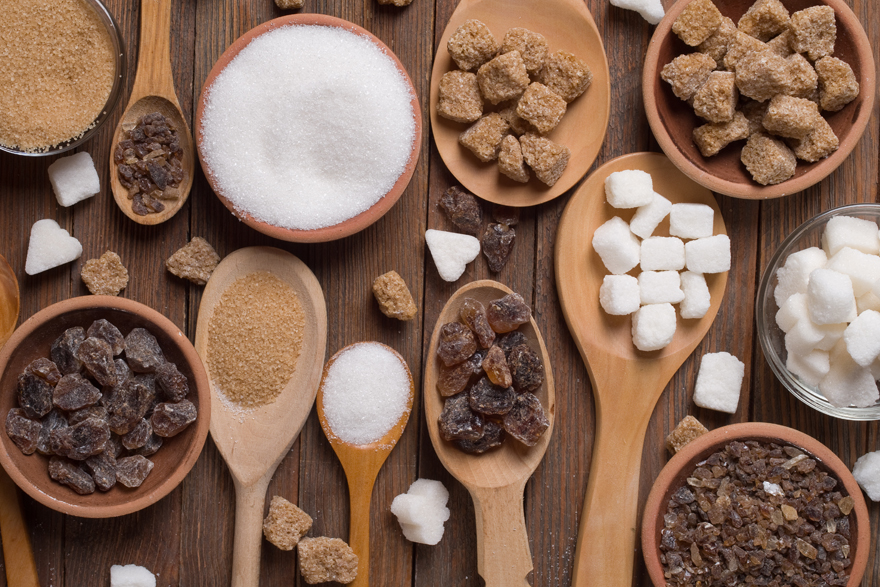
Baking is often described as an exact science, and at the heart of this discipline lies sugar. While most home cooks view sugar simply as a sweetener to add pleasant flavors to cakes, cookies, and pastries, professional pastry chefs know it plays a far more complex structural role. Sugar is a functional ingredient that dictates the texture, moisture retention, browning, and overall shelf life of baked goods.
When you swap out granulated white sugar for honey, maple syrup, coconut sugar, or brown sugar, you are not just changing the sweetness profile. You are fundamentally altering the chemistry of your dough or batter. Understanding how different sweeteners interact with flour, fats, and leavening agents allows bakers to troubleshoot recipes, innovate with alternative ingredients, and achieve consistently delicious results.
The Multifunctional Role of Sugar in Baking
Before examining individual sweeteners, it helps to understand what sugar actually does in the oven. Sugar does much more than satisfy our sweet tooth.
-
Tenderizing: Sugar inhibits gluten development. It competes with flour for water, slowing down gluten formation and ensuring your cakes and cookies remain tender rather than tough and chewy.
-
Moisture Retention: Sugar is hygroscopic, meaning it naturally attracts and holds onto water. This property keeps cakes moist for days after baking and prevents quick staling.
-
Aeration: When granulated sugar is creamed together with solid fat like butter, the sharp crystal edges whip tiny air pockets into the fat. These pockets expand during baking, helping the product rise.
-
Browning and Caramelization: Sugar undergoes the Maillard reaction when heated in the presence of proteins, and it caramelizes at high temperatures. This creates the golden-brown crusts and complex flavors we associate with baked goods.
Granulated White Sugar: The Baseline Standard
Granulated white sugar, or sucrose, is the standard by which all other baking sweeteners are measured. Extracted from sugar cane or sugar beets, it consists of equal parts glucose and fructose bound together.
Because it is a dry, refined crystal, white sugar excels at creaming with butter to create light, airy structures in layer cakes and cookies. It provides a neutral sweetness that allows other flavors, such as vanilla, chocolate, or fruit, to shine through without competition. When using white sugar, you can rely on predictable chemical reactions, standard browning rates, and reliable moisture levels.
Brown Sugar: Moisture and Acidity
Brown sugar is essentially white sugar with the addition of molasses, which gives it its characteristic color, rich flavor, and moisture. It comes in two primary varieties: light brown sugar, which contains about 3.5 percent molasses, and dark brown sugar, which contains up to 6.5 percent molasses.
Impact on Texture and Structure
Because of the added moisture from the molasses, brown sugar yields softer, denser, and chewier baked goods. This makes it the superior choice for chocolate chip cookies, gingerbread, and spice cakes where a tender, fudgy crumb is desired.
Chemical Reactivity
Molasses is inherently acidic. When brown sugar is combined with baking soda, which is alkaline, it triggers a chemical reaction that releases carbon dioxide gas. This reaction helps heavy doughs rise effectively even in the absence of chemical baking powders.
Liquid Sweeteners: Honey, Maple Syrup, and Agave
Liquid sweeteners introduce unique challenges and benefits to the baking process. Because they are solutions of sugars dissolved in water, substituting them into a recipe requires adjustments to the liquid ratios.
Honey
Honey is primarily composed of fructose and glucose, along with trace minerals and water. Like brown sugar, honey is acidic, meaning it will react with baking soda. Honey also promotes rapid browning because fructose caramelizes at a lower temperature than sucrose. Baked goods made with honey tend to brown much faster on the outside, so bakers often need to lower oven temperatures slightly to prevent burning.
Maple Syrup
Pure maple syrup brings a distinct, rich flavor profile to baked goods. It contains sucrose, glucose, and fructose, alongside organic acids and minerals. Maple syrup adds significant moisture and a delicate caramelized note, making it ideal for muffins, quick breads, and glazes.
Agave Nectar
Agave nectar has a high concentration of fructose, making it significantly sweeter than table sugar. It is completely liquid and dissolves effortlessly into batters. However, because it lacks the complex flavors of honey or maple syrup, it imparts a very neutral sweetness, though it still accelerates browning due to its high fructose content.
Alternative and Specialty Sugars
Bakers frequently explore alternative dry sugars to achieve specific nutritional goals or unique flavor profiles.
Coconut Sugar
Derived from the sap of coconut palm flowers, coconut sugar has gained popularity as a lower-glycemic alternative to cane sugar. It has a caramel-like flavor similar to light brown sugar. Because its crystal size and moisture content are relatively similar to standard cane sugar, it can often be substituted on a one-to-one basis in many rustic baked goods, though it may result in a slightly darker color and a subtle nutty undertone.
Powdered Sugar
Also known as confectioner’s sugar, this is granulated sugar that has been milled into a fine powder and mixed with a small amount of cornstarch to prevent caking. The fine particle size makes it dissolve instantly, which is why it is never used for creaming with butter to build structure. Instead, it is reserved for frostings, icings, and dusting the tops of finished pastries.
Practical Rules for Swapping Sweeteners
When modifying recipes, understanding the physical state of the sweetener is critical for success.
-
Dry-to-Dry Swaps: You can easily substitute white sugar with coconut sugar or raw cane sugar on a one-to-one ratio without drastically changing the liquid balance of the recipe.
-
Liquid-to-Dry Conversions: Replacing white sugar with honey or maple syrup requires reducing other liquids in the recipe, typically by about one-quarter cup for every cup of liquid sweetener used. You may also need to add a pinch of baking soda to neutralize the acidity and aid in leavening.
-
Flavor Profiles: Consider how the strong flavor profiles of dark molasses, dark brown sugar, or robust honey will interact with the delicate notes of your base recipe.
Frequently Asked Questions
Can I substitute liquid honey for white sugar in a cake recipe without making any other changes?
No, substituting honey directly for white sugar will add too much liquid to the batter, resulting in a dense, soggy cake that may fail to bake properly. You must reduce the other liquids in the recipe and account for honey’s acidity.
Why do my cookies spread too much when I use brown sugar instead of white sugar?
Brown sugar contains more moisture and is slightly acidic, which weakens the flour structure faster during baking. This causes the cookie dough to flatten and spread out more before the structure fully sets in the oven.
Does the type of sugar affect how long baked goods stay fresh?
Yes, sweeteners that are hygroscopic, such as brown sugar, honey, and invert sugars, attract and hold more moisture from the air. This keeps cakes and cookies soft and fresh for a longer period compared to granulated white sugar.
Why do baked goods made with honey burn faster than those made with white sugar?
Honey contains high levels of fructose, which caramelizes at a much lower temperature than the sucrose found in white sugar. This causes the exterior of the pastry to brown and darken rapidly in the oven.
Is coconut sugar a direct one-to-one replacement for granulated white sugar?
Yes, coconut sugar can be swapped on a one-to-one weight or volume basis in most cookie and quick bread recipes, though it will impart a slightly darker color and a subtle caramel flavor.
How does powdered sugar differ from regular sugar in baking applications?
Powdered sugar is mechanically ground into a fine dust and includes a small amount of cornstarch. Because it lacks coarse crystals, it cannot trap air when creamed with butter, making it unsuitable for structural cake aeration, though it is ideal for smooth frostings.
Can I use agave nectar to replace maple syrup in a baking recipe?
While both are liquid sweeteners, agave has a more neutral flavor profile compared to distinct maple syrup. You can swap them in equal amounts, but your baked goods will lack the characteristic maple flavor.