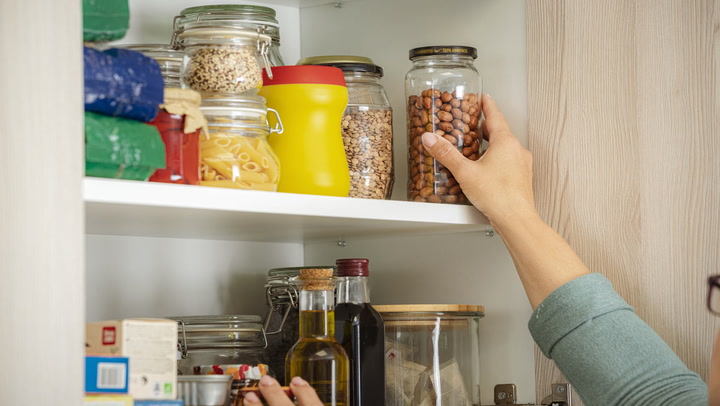
Restaurant dishes often carry a distinct depth of flavor that home cooking struggles to replicate. While culinary students spend years mastering knife skills, heat control, and sauce emulsification, the secret differentiator in professional cooking frequently rests quietly on a hidden pantry shelf. Executive chefs do not rely solely on expensive truffles or rare imported caviar to elevate their menus. Instead, they depend on an arsenal of humble, shelf-stable flavor enhancers. These secret ingredients act as culinary cheat codes, instantly balancing acidity, boosting umami, and transforming ordinary meals into extraordinary dining experiences.
The Magic of MSG and Umami Boosters
For decades, Monosodium Glutamate suffered from unearned negative reputations stemming from outdated myths. Today, professional chefs openly embrace this crystalline white powder as one of the most powerful tools in their arsenal. Umami, recognized scientifically as the fifth basic taste, represents the savory deliciousness found in foods like mushrooms, aged cheeses, and ripe tomatoes. Pure MSG delivers this exact savory punch without adding unwanted moisture or competing flavors.
-
Clean Flavor Enhancement: Unlike soy sauce or fish sauce, which introduce dark colors and distinct liquids, pure MSG intensifies natural meat, vegetable, and broth flavors without altering their appearance.
-
Sodium Reduction: Chefs use MSG alongside table salt to reduce overall sodium content in recipes by up to forty percent while maintaining a rich, satisfying taste profile.
-
Universal Application: A tiny pinch works wonders in everything from rich pan sauces and marinades to roasted root vegetables and salad dressings.
Acidic Finishing Agents Beyond Standard Vinegar
Home cooks often rely solely on lemon juice or white vinegar to brighten a heavy dish, but professional kitchens stock a diverse portfolio of specialized acids. Balancing fat and salt requires sharp acidity, and the right acid can cut through heavy richness in a matter of seconds, awakening the entire palate.
-
Sherry Vinegar: Prized for its complex, nutty undertones, Spanish sherry vinegar adds warmth and sophistication to pan drippings and vinaigrettes where standard white vinegar would taste harsh.
-
Yuzu Juice: This Japanese citrus fruit delivers a floral, aromatic profile resembling a hybrid between lemon, mandarin orange, and grapefruit, elevating seafood crudos and light sauces.
-
Pomegranate Molasses: A staple in Middle Eastern cooking, this thick, syrupy reduction offers a tart and deeply fruity bite that balances earthy roasted meats and grain salads effortlessly.
Fish Sauce and Bottled Umami Elixirs
Even in kitchens that do not serve Asian cuisine, bottles of fermented fish sauce occupy prime shelf space next to high-end olive oils. Fermentation breaks down proteins into free amino acids, generating monumental levels of glutamates that amplify savoriness invisibly.
-
Invisible Depth: A few dashes of high-grade fish sauce added to a rich beef bolognese or a mushroom ragout will not make the dish taste like fish. Instead, it provides a deep, lingering background savory note that salt alone cannot achieve.
-
Worcestershire Synergy: Anchovy-based Worcestershire sauce brings a fermented complexity combining vinegar, molasses, and tamarind, making it indispensable for meat glazes and gravies.
-
Shrimp Paste: Used sparingly, fermented shrimp paste adds an intense earthy foundation to curry pastes, stews, and roasted vegetable purees.
High-Grade Liquid Smoke and Fire-Roasted Elements
Replicating the complex flavor profile of live-fire cooking indoors poses a constant challenge for restaurant kitchens that lack outdoor grills. To bridge this gap, chefs utilize concentrated liquid smoke and fire-roasted pantry staples to impart authentic charcoal characteristics into indoor preparations.
-
Hickory and Mesquite Extracts: A single drop of quality liquid smoke adds an outdoor grilled dimension to indoor braises, barbecue sauces, and vegetarian bean dishes.
-
Canned Chipotles in Adobo: These smoked jalapeno peppers packed in a tangy red sauce provide both moderate heat and a profound, smoky sweetness that enriches salsas, mayonnaise spreads, and braising liquids.
-
Smoked Paprika: Spanish pimenton introduces a rich, vibrant red color and a distinct wood-fire aroma to dry rubs, potato dishes, and seafood stews.
Nutritional Yeast and Fermented Pastes
Plant-based cooking and modern fine dining share a heavy reliance on ingredients that introduce savory cheese-like notes or deep fermentation profiles without relying on heavy dairy products.
-
Nutritional Yeast Flakes: Often called nooch, these yellow flakes deliver a nutty, cheesy flavor profile that chefs use to finish risottos, vegan sauces, and roasted popcorn.
-
Miso Paste Varieties: White, yellow, and red miso pastes bring fermented soybean complexity to glazes, salad dressings, and broths, offering instant saltiness balanced by deep natural sweetness.
-
Black Garlic: Whole garlic bulbs aged under controlled heat transform into sweet, chewy, jet-black cloves tasting remarkably like balsamic vinegar, tamarind, and molasses combined.
The Role of Infused Oils and Chili Crisps
Texture and aromatic finishing oils represent the final layer of professional kitchen preparation. Drizzling an infused oil over a finished plate immediately before service captures the diner’s attention through scent and visual appeal.
-
Chili Crunch Oils: Crispy garlic, shallots, and crushed peppers suspended in flavorful oil add both a spicy kick and an addictive crunch to noodles, eggs, and roasted meats.
-
Truffle Oil Alternatives: While chefs often avoid synthetic truffle oils, high-end kitchens utilize cold-pressed seed oils infused with genuine mushroom extracts to impart earthy elegance.
-
Herb-Infused Oils: Blending parsley, basil, or chives with neutral grapeseed oil creates vibrant green finishing oils that brighten the visual presentation of soups and plated proteins.
Frequently Asked Questions
Why do professional chefs avoid synthetic truffle oils?
Synthetic truffle oils typically rely on a chemical compound called 2-thiapentane, which produces a harsh, one-note aroma that overpowers food. Professional kitchens prefer real truffles or oils infused with authentic mushroom extracts for a nuanced, balanced flavor profile.
How does MSG differ chemically from regular table salt?
Table salt consists of sodium and chloride bound together. MSG consists of sodium bound to glutamate, an amino acid found naturally in foods like cheese and tomatoes, which stimulates specific taste receptors responsible for savory recognition.
Can fish sauce be used effectively in non-Asian recipes?
Fish sauce acts purely as a liquid seasoning salt packed with umami. Adding a splash to tomato sauces, stews, gravies, or chili enhances the background savory characteristics without leaving any detectable fish flavor behind.
What is the best way to store high-end oils and vinegars to prevent spoilage?
Oils and vinegars should be kept in dark glass bottles away from direct sunlight and away from the intense heat of kitchen ranges. Heat and light cause oils to turn rancid quickly and degrade the delicate aromatics of vinegars.
How does black garlic differ from raw garlic in cooking applications?
Black garlic undergoes a slow Maillard reaction over several weeks without burning. This natural aging process removes the pungent, spicy bite of raw garlic, replacing it with a sweet, spreadable texture reminiscent of molasses, tamarind, and aged balsamic.
Why are fermented ingredients considered essential in modern restaurant pantries?
Fermentation breaks down complex food structures into simpler compounds, creating intense natural flavor concentrations that cut down preparation time while delivering immense depth and complexity to dishes.