Introduction: Cooking as Craft and Comfort
Cooking is one of the few daily acts that seamlessly blends necessity and art. Whether you’re preparing a quick weeknight dinner or hosting an elegant dinner party, the kitchen becomes a place of transformation—not just for ingredients, but for the cook. While recipes offer structure, it’s often the subtle tips, the quiet refinements, and the intuitive touches that separate a good dish from a great one. Cooking well doesn’t require expensive gadgets or rare ingredients—it calls for attentiveness, confidence, and a few time-honored techniques. The following tips are not flashy tricks but thoughtful habits that elevate the ordinary into the extraordinary.
Master the Foundations First
Before diving into intricate recipes or global cuisines, every cook should develop fluency in the basics. The fundamentals are the quiet scaffolding upon which culinary excellence is built.
Essential Skills to Sharpen:
-
Knife Work: Learning how to chop, dice, and julienne properly makes cooking faster, safer, and more enjoyable.
-
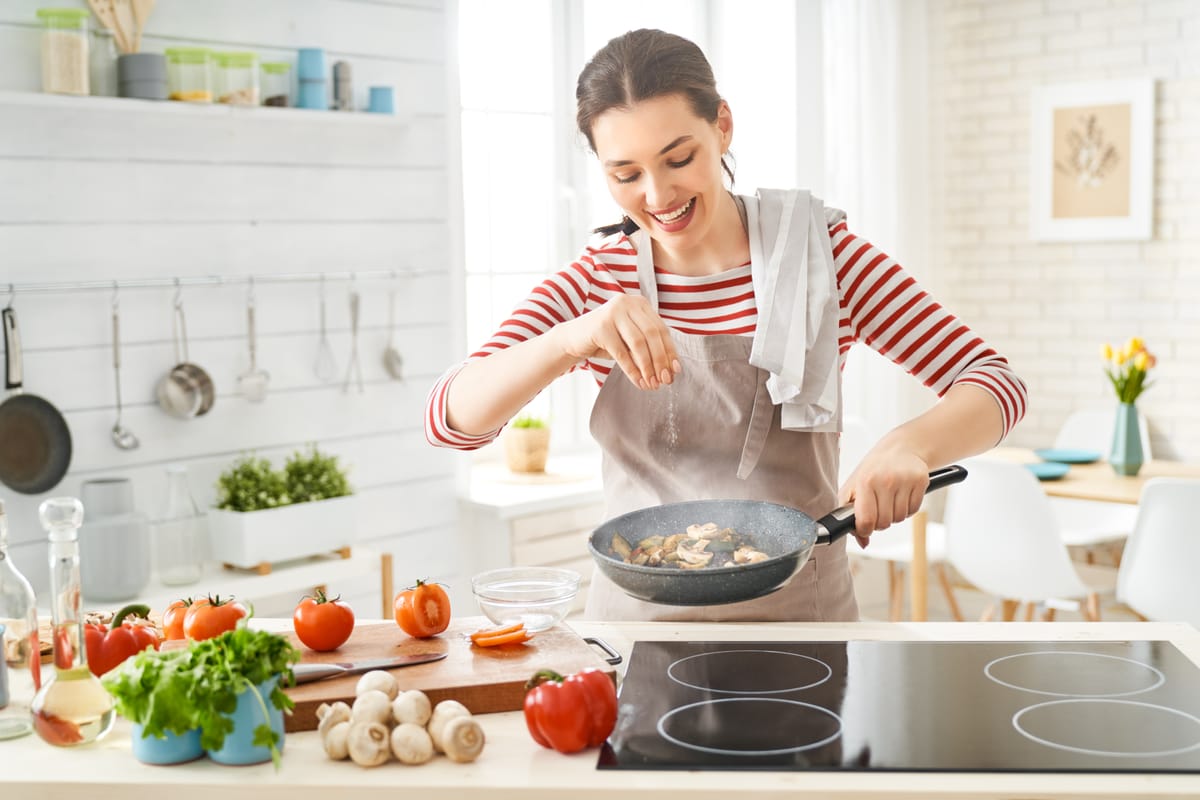
Seasoning Judgment: Salt enhances flavor, but timing and moderation are key. Season in layers rather than all at once.
-
Heat Control: Understanding how to manage high, medium, and low heat is crucial for everything from sautéing to simmering.
-
The Art of the Sauce: A simple pan sauce—made with deglazed fond, stock, and butter—can elevate even a basic meal.
When these core skills become second nature, the kitchen transforms from a challenge into a canvas.
Organize with Intention: Mise en Place
The French phrase mise en place, meaning “everything in its place,” is more than just professional chef jargon—it’s a mindset. Preparing ingredients before you begin cooking not only reduces stress but improves timing and execution.
Steps to Embrace Mise en Place:
-
Pre-measure spices and liquids
-
Chop and group ingredients by when they’re added
-
Read the full recipe before beginning
-
Clean as you go
Cooking becomes fluid, precise, and even meditative when chaos is removed from the equation.
Flavor Development: Layer, Don’t Rush
Building flavor isn’t about shortcuts—it’s about layers. Often, the richest dishes are not complex but deeply considered. Searing, sweating, reducing, and resting are small acts that yield immense results.
Tips for Deeper Flavor:
-
Caramelize, don’t just brown: Let onions and proteins truly color to unlock sweetness and umami.
-
Deglaze the pan: A splash of wine, broth, or vinegar can loosen flavorful bits that enrich your sauce.
-
Let it rest: Steaks, roasts, and even pasta sauces improve with a few minutes of pause before serving.
-
Don’t skip the acid: A squeeze of lemon or a dash of vinegar can brighten and balance an otherwise flat dish.
Flavors should unfold, not collide. Patience is a core ingredient in every memorable meal.
Season Thoughtfully: Salt, Acid, Heat—and You
Celebrity chef Samin Nosrat popularized the concept of Salt, Fat, Acid, Heat, but the essence of seasoning remains timeless. Each element brings balance, yet the most crucial seasoning is awareness.
Balance Your Seasoning With:
-
Salt for enhancement
-
Fat for richness and mouthfeel
-
Acid for brightness and contrast
-
Heat (spice) for energy and intrigue
Taste throughout the cooking process. Trust your palate, but be humble enough to adjust. Great cooks are curious, not rigid.
Embrace Simplicity with Confidence
In the age of food trends and social media recipes, it’s easy to feel pressure to cook with flair. But true confidence in the kitchen often lies in simplicity. A perfectly cooked egg, a rustic soup, or a crisp salad can offer more satisfaction than a fussy, overworked dish.
Simple Dishes That Rely on Technique:
-
Omelets and scrambled eggs
-
Roast chicken with seasonal vegetables
-
Fresh pasta with lemon and parmesan
-
Seared fish with herb butter
Don’t underestimate the elegance of restraint. Simplicity allows quality ingredients and thoughtful preparation to shine.
Know Your Ingredients Intimately
Good cooking starts at the source. Understanding your ingredients—their seasonality, texture, and behavior when cooked—enhances both the flavor and the experience of cooking.
Get Closer to Your Ingredients By:
-
Shopping seasonally at local markets
-
Tasting produce raw before cooking with it
-
Smelling herbs, spices, and oils before adding them
-
Learning about food origins and cultural uses
When you engage with ingredients as living things rather than commodities, you cook with more care and integrity.
Tools of the Trade: Invest Where It Matters
You don’t need a kitchen full of gadgets. A few high-quality, well-maintained tools can transform how you cook and how much you enjoy the process.
Core Tools Worth Investing In:
-
A sharp chef’s knife
-
Cast iron skillet or heavy-bottom sauté pan
-
Wooden spoon and silicone spatula
-
Digital thermometer
-
High-quality cutting board
Beyond these, let your needs dictate purchases—not marketing trends. Form should follow function.
Learn the Rhythms, Not Just the Recipes
Recipes are guides, not gospel. The best cooks listen to sizzles, notice color shifts, and adapt instinctively. Becoming attuned to the sensory cues of cooking—how food sounds, smells, and feels—will liberate you from strict instructions.
Train Your Intuition By:
-
Cooking the same dish multiple times and noticing small variations
-
Cooking without recipes once a week, using only what’s on hand
-
Keeping a cooking journal to track adjustments and results
Intuition is not innate—it’s built through mindful repetition and openness to mistakes.
Final Thoughts: Cooking as Presence and Gift
At its most profound, cooking is a form of presence. It asks us to slow down, pay attention, and nourish others with intention. Each dish, no matter how humble, carries the imprint of the person who prepared it. That alone makes cooking a deeply human act—one that transcends taste and technique.
These tips are not rules but starting points. Whether you’re an aspiring home cook or a seasoned kitchen veteran, the joy of cooking lies not in perfection but in process. Stay curious, stay generous, and above all, stay hungry—for flavor, for knowledge, and for the simple pleasure of a well-cooked meal shared in good company.