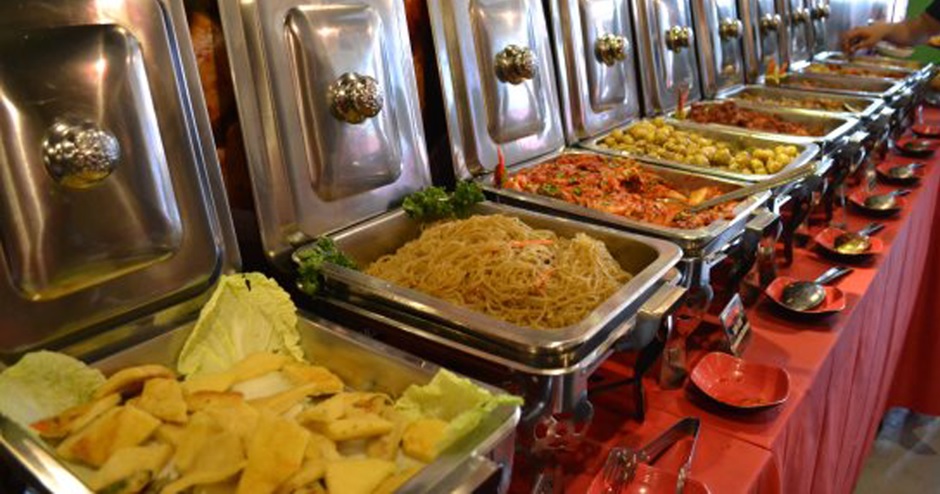
Introduction: The Unsung Symphony of Catering
In an age where experiences often outweigh possessions, catering has emerged as more than just a service—it is an art form. Whether at a grand wedding, a sleek corporate function, or an intimate soirée, catering defines the ambiance, influences the memory, and ultimately shapes the success of any event. Far from simply providing food, modern catering weaves together culinary finesse, logistical precision, and impeccable service to orchestrate moments that linger long after the plates have been cleared.
The Expanding Scope of Catering
The term “catering” once conjured images of buffet tables at local banquets or tray-passed hors d’oeuvres at cocktail parties. Today, it encompasses a far broader spectrum.
Types of Catering Services Today:
-
Corporate Catering: From daily office lunches to executive dinners and product launches, this sector demands efficiency, consistency, and a flair for the refined.
-
Social Event Catering: Weddings, birthdays, reunions—here, emotional resonance is paramount. Menus and settings are tailored to the story of the people being celebrated.
-
Concession Catering: Found at large venues like sports arenas and festivals, this fast-paced sector emphasizes volume, speed, and satisfaction.
-
Private Chef Services: An increasingly popular luxury, where exclusivity meets gastronomy, offering bespoke meals in personal settings.
-
Mobile Catering: Food trucks and pop-up events redefine how catering reaches audiences, blending convenience with creative culinary concepts.
The Pillars of Excellence in Catering
At its core, great catering balances several key components, each vital in delivering a seamless experience.
1. Culinary Craftsmanship
Flavors are the first memory guests carry with them, and expectations today are higher than ever. Menus must accommodate diverse dietary needs—vegan, gluten-free, allergen-sensitive—without compromising on taste or presentation. A professional caterer doesn’t just cook; they curate. From fusion tapas to deconstructed desserts, creativity is as important as tradition.
2. Aesthetic Presentation
We eat with our eyes first. The visual harmony between the food, serving ware, and table setting sets the tone. A seasoned caterer collaborates with florists, designers, and event planners to ensure visual storytelling aligns with the event’s theme.
3. Impeccable Service
No matter how exquisite the menu, poor service can unravel an event’s atmosphere. Professional caterers train staff not only in etiquette but in reading the room—knowing when to step forward, when to retreat, and how to resolve issues discreetly.
4. Logistics and Planning
Behind every successful event lies a meticulous blueprint. Timing deliveries, coordinating with venues, managing kitchen infrastructure, and ensuring food safety are non-negotiables. Experienced caterers approach events like a military operation—with contingency plans and precision execution.
Innovation and Trends Shaping the Industry
As consumer tastes evolve, so does the catering industry, embracing trends that marry technology with tradition.
Farm-to-Table & Sustainability
Guests increasingly value transparency and sustainability. Caterers now source locally, reduce waste, and offer plant-forward menus to meet these expectations.
Interactive Food Stations
Gone are the days of static dining. Live cooking stations, build-your-own bars, and chef-led tastings offer both entertainment and engagement.
Global Fusion
Modern palates crave diversity. Caterers blend techniques and ingredients from around the world to offer menus that are both adventurous and approachable.
Tech-Enhanced Coordination
From digital RSVPs to AI-driven guest profiling, technology now supports caterers in designing personalized experiences with greater precision than ever before.
The Human Element: Emotion, Experience, and Empathy
Perhaps what distinguishes great catering is not only what is served but how it makes people feel. Behind each plate is an opportunity to connect. Food becomes a language of care, a vehicle of memory. A seasoned caterer intuitively understands this emotional undercurrent.
Empathy in Action:
-
Adjusting a dish last minute for an allergic guest
-
Quietly ensuring an elderly attendee has comfortable seating
-
Preparing a special off-menu meal to celebrate a cultural tradition
These small gestures, though rarely noticed en masse, form the quiet backbone of memorable hospitality.
Choosing the Right Caterer: A Decision Beyond the Menu
Selecting a caterer is one of the most crucial decisions in event planning. It requires looking beyond their portfolio and into their philosophy.
Key Considerations:
-
Reputation & References: Seek caterers with proven track records and positive client feedback.
-
Flexibility: Look for a team willing to customize menus and adapt to venue constraints.
-
Tasting Sessions: Always request a tasting to align expectations and assess quality firsthand.
-
Staffing & Equipment: Understand what’s included—bartenders, rentals, linens—clarity avoids surprises.
-
Licensing & Insurance: Ensure legal compliance for food handling and alcohol service.
Final Thoughts: Catering as the Heartbeat of Celebration
Catering, when done well, becomes invisible—not in presence, but in effort. It is felt in the unspoken ease of a guest’s smile, the fluidity of service, the flavors that awaken nostalgia or spark surprise. It is a discipline that requires both creativity and restraint, both performance and humility.
In many ways, catering is the silent architect of celebration. It builds memories not with bricks and mortar, but with aroma, ambiance, and attentiveness. And in a world increasingly driven by fleeting encounters, it offers something enduring: the beauty of being seen, served, and satisfied—if only for a single, exquisite evening.