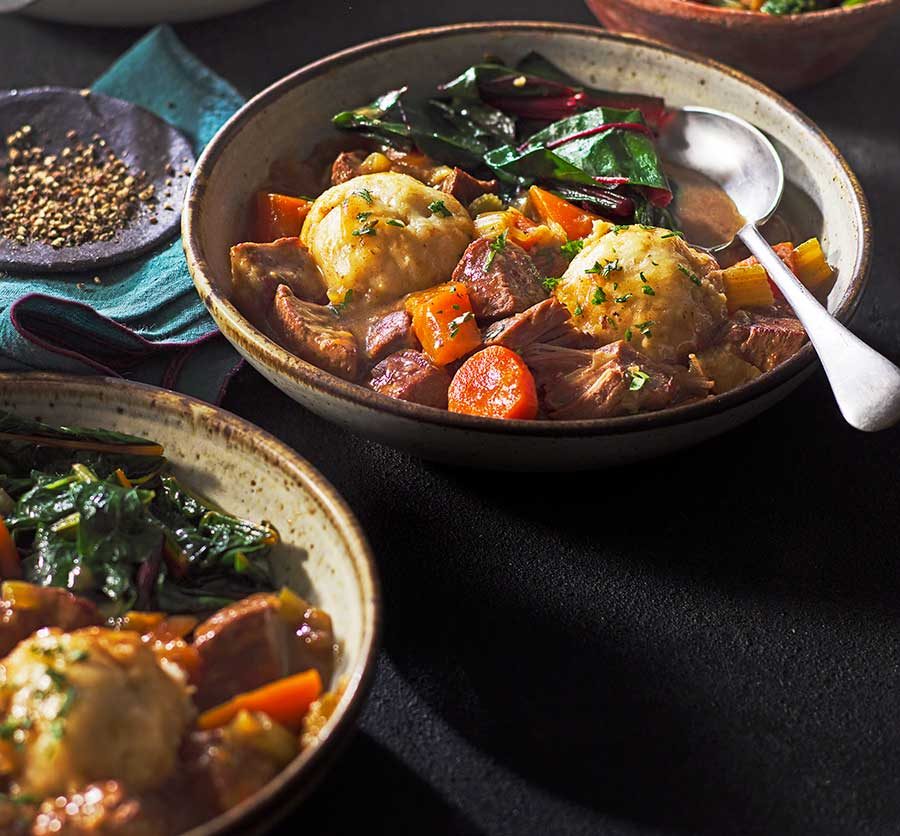
Modern life moves at a relentless pace, leaving many home cooks searching for ways to serve wholesome, home-cooked meals without spending hours standing over a hot stove after a grueling workday. The slow cooker remains an unsung hero of the domestic kitchen, transforming tough cuts of meat, dense root vegetables, and dry grains into culinary masterpieces with virtually zero active oversight. By harnessing low, consistent heat and sealed moisture circulation, this humble countertop appliance performs deep flavor development that typically requires hours of constant monitoring. Embracing set-it-and-forget-it cooking allows you to reclaim your evenings while enjoying deeply satisfying, restaurant-quality dishes right at home.
The Science Behind Low and Slow Cooking
Understanding why the slow cooker works so effectively helps you maximize its potential. Traditional cooking methods often blast food with high heat, which can easily dry out lean proteins and leave tough connective tissues chewy. The slow cooker operates on the exact opposite principle, using gentle, prolonged thermal energy to achieve physical transformations that high heat cannot replicate.
-
Collagen Breakdown: Tough cuts like chuck roast, pork shoulder, and lamb shank are rich in tough collagen fibers. Sustained low heat melts this connective tissue into gelatin over several hours, creating fork-tender meat and naturally thickening the surrounding cooking liquid.
-
Flavor Melding: Cooking over an extended period allows aromatic spices, herbs, and acids to fully penetrate the cellular structure of proteins and starches, building complex layers of taste.
-
Moisture Retention: Because the heavy lid traps steam inside the ceramic crock, liquid is continuously recycled back down onto the food, eliminating the need for constant basting or added fats.
Mastering Melt-In-Your-Mouth Chuck Roasts
A classic pot roast is the ultimate test of a slow cooker, turning an economical cut of beef into a sumptuous feast. The secret to elevating a basic roast beyond standard comfort food lies in building a rich flavor base before letting the machine do its magic.
-
Sear for Depth: Taking ten minutes to brown your beef chuck roast in a hot skillet before transferring it to the slow cooker initiates the Maillard reaction, locking in savory depth.
-
Aromatic Bedding: Layer thick cuts of carrots, celery, onions, and garlic at the very bottom of the crock so the meat rests on top, absorbing juices while staying out of direct contact with the hottest surface.
-
Deglazing Liquids: Pour a splash of red wine or rich beef broth into the searing pan to scrape up all those caramelized browned bits, then pour that liquid directly into the slow cooker for an instant sauce foundation.
Effortless Pulled Pork and Carnitas
Preparing large batches of shredded pork for tacos, sandwiches, or grain bowls used to require constant oven monitoring. The slow cooker simplifies this process entirely, allowing succulent pork shoulder to simmer gently until it falls apart at the touch of a fork.
-
Dry Rub Integration: Massage a robust blend of smoked paprika, cumin, garlic powder, brown sugar, and kosher salt directly into the pork shoulder several hours before cooking.
-
Citrus and Acid Balance: Pour freshly squeezed orange juice and lime juice over the meat to cut through the heavy natural fats as the pork renders down.
-
Crispy Finishing Step: Once shredded, spread the cooked pork onto a baking sheet and broil for three to four minutes under high heat to achieve delicious, crispy caramelized edges.
Hearty Soups and Legume Stews
Dried beans and rich bean soups often intimidate cooks due to long soaking times and uneven cooking results. The slow cooker eliminates these worries, softening hard legumes to a creamy texture without requiring overnight soaking routines.
-
Acid Timing Rules: Always add tomatoes, vinegar, or citrus juices near the end of the cooking cycle when preparing beans, as high acidity added too early can keep legumes firm and crunchy.
-
Aromatic Spice Blends: Drop whole bay leaves, dried thyme sprigs, and smashed garlic cloves directly into the broth to infuse the entire pot with aromatic warmth.
-
Grain Additions: Add fast-cooking grains like rice or quinoa during the final thirty minutes of cooking to prevent them from turning into mush.
Rich Curries and Braised Poultry
Chicken thighs and aromatic curry pastes thrive in the humid, sealed environment of a slow cooker. Dark meat chicken stays juicy and succulent even after six hours of low heat, soaking up coconut milk and spices effortlessly.
-
Layering Spices: Toast curry powder, turmeric, and garam masala in a dry pan for one minute before mixing them with coconut milk to awaken their natural oils.
-
Bone-In Benefits: Use bone-in chicken thighs for enhanced flavor and moisture retention, then easily remove the bones before serving the final stew.
-
Fresh Finishers: Stir in fresh cilantro, lime juice, and chopped peanuts right before serving to add bright color and essential textural contrast.
Frequently Asked Questions
Why do some slow cooker recipes call for adding dairy at the very end?
Dairy products like heavy cream, milk, or sour cream contain delicate proteins that curdle and separate when exposed to hours of sustained heat. Stirring them in during the final fifteen minutes of cooking preserves their smooth, creamy emulsion.
Can you put frozen meat directly into a slow cooker?
Putting frozen meat into a slow cooker is discouraged because the meat remains in the dangerous temperature danger zone for too long as it thaws, allowing bacteria to multiply rapidly. Always thaw meat completely in the refrigerator before cooking.
Why do vegetables sometimes turn out hard while meat is fully cooked?
Certain root vegetables like potatoes and carrots require longer cooking times or need to be cut into smaller, uniform pieces. Placing them at the bottom of the cooker where liquid concentration and heat are highest ensures they soften properly alongside the meat.
Is it necessary to add extra liquid when cooking in a slow cooker?
Slow cookers trap moisture efficiently, meaning liquids do not evaporate the way they do on a stovetop. Adding too much liquid results in a watery sauce, so stick closely to recipe guidelines unless you are deliberately cooking soup.
How do you thicken a watery sauce in the slow cooker after it finishes?
If your braising liquid or sauce looks too thin, whisk a tablespoon of cornstarch with a splash of cold water to create a slurry, stir it into the hot liquid, and let the slow cooker run on high uncovered for fifteen minutes until thickened.
Can you use a slow cooker to bake bread or cakes?
Yes, the sealed moist environment creates a fantastic steam-bake effect that works wonderfully for dense moist cakes, puddings, and even certain types of quick breads, though they will lack the dry crust found in traditional ovens.
Modern life moves at a relentless pace, leaving many home cooks searching for ways to serve wholesome, home-cooked meals without spending hours standing over a hot stove after a grueling workday. The slow cooker remains an unsung hero of the domestic kitchen, transforming tough cuts of meat, dense root vegetables, and dry grains into culinary masterpieces with virtually zero active oversight. By harnessing low, consistent heat and sealed moisture circulation, this humble countertop appliance performs deep flavor development that typically requires hours of constant monitoring. Embracing set-it-and-forget-it cooking allows you to reclaim your evenings while enjoying deeply satisfying, restaurant-quality dishes right at home.
The Science Behind Low and Slow Cooking
Understanding why the slow cooker works so effectively helps you maximize its potential. Traditional cooking methods often blast food with high heat, which can easily dry out lean proteins and leave tough connective tissues chewy. The slow cooker operates on the exact opposite principle, using gentle, prolonged thermal energy to achieve physical transformations that high heat cannot replicate.
-
Collagen Breakdown: Tough cuts like chuck roast, pork shoulder, and lamb shank are rich in tough collagen fibers. Sustained low heat melts this connective tissue into gelatin over several hours, creating fork-tender meat and naturally thickening the surrounding cooking liquid.
-
Flavor Melding: Cooking over an extended period allows aromatic spices, herbs, and acids to fully penetrate the cellular structure of proteins and starches, building complex layers of taste.
-
Moisture Retention: Because the heavy lid traps steam inside the ceramic crock, liquid is continuously recycled back down onto the food, eliminating the need for constant basting or added fats.
Mastering Melt-In-Your-Mouth Chuck Roasts
A classic pot roast is the ultimate test of a slow cooker, turning an economical cut of beef into a sumptuous feast. The secret to elevating a basic roast beyond standard comfort food lies in building a rich flavor base before letting the machine do its magic.
-
Sear for Depth: Taking ten minutes to brown your beef chuck roast in a hot skillet before transferring it to the slow cooker initiates the Maillard reaction, locking in savory depth.
-
Aromatic Bedding: Layer thick cuts of carrots, celery, onions, and garlic at the very bottom of the crock so the meat rests on top, absorbing juices while staying out of direct contact with the hottest surface.
-
Deglazing Liquids: Pour a splash of red wine or rich beef broth into the searing pan to scrape up all those caramelized browned bits, then pour that liquid directly into the slow cooker for an instant sauce foundation.
Effortless Pulled Pork and Carnitas
Preparing large batches of shredded pork for tacos, sandwiches, or grain bowls used to require constant oven monitoring. The slow cooker simplifies this process entirely, allowing succulent pork shoulder to simmer gently until it falls apart at the touch of a fork.
-
Dry Rub Integration: Massage a robust blend of smoked paprika, cumin, garlic powder, brown sugar, and kosher salt directly into the pork shoulder several hours before cooking.
-
Citrus and Acid Balance: Pour freshly squeezed orange juice and lime juice over the meat to cut through the heavy natural fats as the pork renders down.
-
Crispy Finishing Step: Once shredded, spread the cooked pork onto a baking sheet and broil for three to four minutes under high heat to achieve delicious, crispy caramelized edges.
Hearty Soups and Legume Stews
Dried beans and rich bean soups often intimidate cooks due to long soaking times and uneven cooking results. The slow cooker eliminates these worries, softening hard legumes to a creamy texture without requiring overnight soaking routines.
-
Acid Timing Rules: Always add tomatoes, vinegar, or citrus juices near the end of the cooking cycle when preparing beans, as high acidity added too early can keep legumes firm and crunchy.
-
Aromatic Spice Blends: Drop whole bay leaves, dried thyme sprigs, and smashed garlic cloves directly into the broth to infuse the entire pot with aromatic warmth.
-
Grain Additions: Add fast-cooking grains like rice or quinoa during the final thirty minutes of cooking to prevent them from turning into mush.
Rich Curries and Braised Poultry
Chicken thighs and aromatic curry pastes thrive in the humid, sealed environment of a slow cooker. Dark meat chicken stays juicy and succulent even after six hours of low heat, soaking up coconut milk and spices effortlessly.
-
Layering Spices: Toast curry powder, turmeric, and garam masala in a dry pan for one minute before mixing them with coconut milk to awaken their natural oils.
-
Bone-In Benefits: Use bone-in chicken thighs for enhanced flavor and moisture retention, then easily remove the bones before serving the final stew.
-
Fresh Finishers: Stir in fresh cilantro, lime juice, and chopped peanuts right before serving to add bright color and essential textural contrast.
Frequently Asked Questions
Why do some slow cooker recipes call for adding dairy at the very end?
Dairy products like heavy cream, milk, or sour cream contain delicate proteins that curdle and separate when exposed to hours of sustained heat. Stirring them in during the final fifteen minutes of cooking preserves their smooth, creamy emulsion.
Can you put frozen meat directly into a slow cooker?
Putting frozen meat into a slow cooker is discouraged because the meat remains in the dangerous temperature danger zone for too long as it thaws, allowing bacteria to multiply rapidly. Always thaw meat completely in the refrigerator before cooking.
Why do vegetables sometimes turn out hard while meat is fully cooked?
Certain root vegetables like potatoes and carrots require longer cooking times or need to be cut into smaller, uniform pieces. Placing them at the bottom of the cooker where liquid concentration and heat are highest ensures they soften properly alongside the meat.
Is it necessary to add extra liquid when cooking in a slow cooker?
Slow cookers trap moisture efficiently, meaning liquids do not evaporate the way they do on a stovetop. Adding too much liquid results in a watery sauce, so stick closely to recipe guidelines unless you are deliberately cooking soup.
How do you thicken a watery sauce in the slow cooker after it finishes?
If your braising liquid or sauce looks too thin, whisk a tablespoon of cornstarch with a splash of cold water to create a slurry, stir it into the hot liquid, and let the slow cooker run on high uncovered for fifteen minutes until thickened.
Can you use a slow cooker to bake bread or cakes?
Yes, the sealed moist environment creates a fantastic steam-bake effect that works wonderfully for dense moist cakes, puddings, and even certain types of quick breads, though they will lack the dry crust found in traditional ovens.