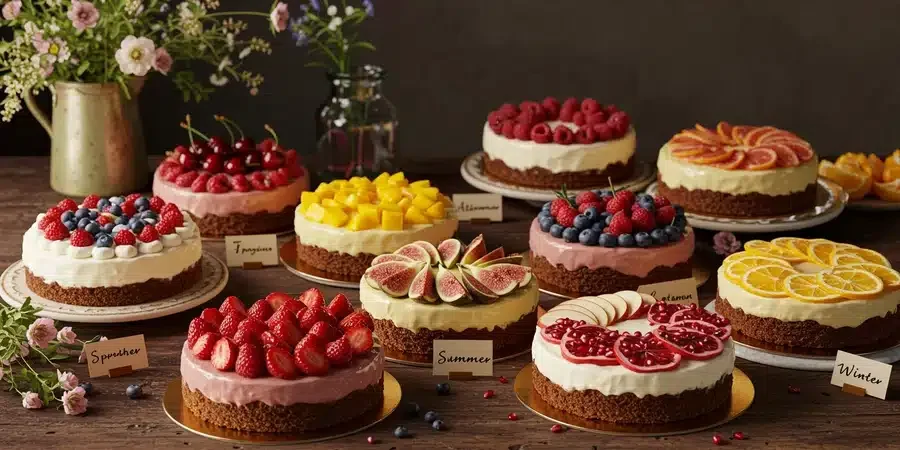
Mastering the art of seasonal fruit baking means understanding how to adjust your formulas so that a juicy summer peach galette does not become a soggy mess, and a winter citrus pound cake retains its tender crumb. By learning the fundamental principles of moisture management, structural adjustments, and flavor pairings, you can adapt virtually any recipe to showcase the best produce available at any time of the year.
Understanding Fruit Moisture Content
The single biggest challenge when swapping fruits in a baking recipe is managing moisture. A stone fruit like a peach or a plum behaves very differently in the oven compared to a dense winter apple or dried fruit.
-
High-Moisture Fruits: Berries, melons, and stone fruits release significant amounts of liquid as they bake. If added directly to a standard cake batter without precautions, this liquid pools around the fruit and creates soggy pockets.
-
Dense and Starchy Fruits: Apples, pears, and quinces hold their structure much longer and release water at a slower, more controlled rate during the baking process.
-
Pre-Treating Techniques: Tossing juicy fruits with a tablespoon of cornstarch, tapioca flour, or all-purpose flour before mixing them into your batter helps bind the excess juices as they heat up.
Spring: Transitioning with Berries and Early Stone Fruits
Spring marks the awakening of the baking calendar, moving away from heavy winter spices toward bright, tart, and vibrant flavors. Strawberries, rhubarb, and early cherries lead this transition.
Rhubarb is wonderfully acidic and requires generous amounts of sugar to balance its sharpness, making it a classic pairing with sweet strawberries in pies and crumbles. Because spring fruits tend to have high water content, bakers should rely on sturdy bases like shortcrust pastry, dense pound cakes, or rustic galettes that can support the juicy weight without collapsing. When folding fresh berries into muffin or scone batters, dusting them lightly with flour prevents them from sinking to the bottom of the pan during baking.
Summer: Managing Peak Abundance
Summer offers an overwhelming abundance of stone fruits, figs, and berries. Peaches, nectarines, apricots, and plums dominate farmers markets and provide incredible natural sweetness and complex floral aromas.
When working with ultra-juicy summer fruits, pre-cooking the fruit filling for pies or reducing excess juices on the stovetop can prevent a soggy bottom crust. Alternatively, building a thicker batter or incorporating ground almonds or oats into the bottom of a tart crust absorbs migrating juices. Summer baking is also the ideal time to embrace free-form pastries like galettes, where excess moisture can evaporate easily through the open sides of the crust.
Autumn: Apples, Pears, and Warm Spices
As temperatures drop, baking shifts toward comforting, robust flavors. Apples and pears take center stage, offering dense flesh and lower free-moisture levels compared to summer berries.
Autumn fruits hold their shape well, making them ideal for upside-down cakes, deep-dish pies, and laminated pastries like danishes and strudels. Their moderate moisture content means you rarely need to worry about excess liquid ruining your batter structure. This season also invites the heavy integration of warming spices such as cinnamon, nutmeg, cardamom, and ginger, which complement the earthy sweetness of late-season orchard fruits.
Winter: Citrus, Dried Fruit, and Preservation
Winter brings a scarcity of fresh local orchard fruit, but it introduces the vibrant acidity of citrus season. Lemons, limes, oranges, and grapefruits shine brightly during the coldest months.
Citrus zests contain essential oils that infuse sugar and fat with intense aroma, while fresh juices provide necessary liquid and acidity for chemical leavening agents like baking soda. Winter baking also relies heavily on dried fruits like raisins, dates, and figs, which require proper plumbing or soaking in warm water, spirits, or tea before incorporation to ensure they do not steal moisture from the surrounding cake crumb. Preserved summer jams and frozen fruit purees also serve as excellent bridges to maintain seasonal variety through the dead of winter.
Practical Rules for Modifying Fruit Recipes
Adapting an existing recipe to feature a different seasonal fruit requires careful attention to a few core rules to guarantee structural success.
-
Weight Equivalencies: Always swap fruits by weight rather than volume. A cup of diced firm apples weighs significantly more than a cup of delicate raspberries.
-
Sugar Adjustments: Taste your fruit before baking. Highly tart fruits like rhubarb or tart cherries require an increase in sugar, while naturally sweet late-season figs require scaling back the added sugar.
-
Fat and Flour Adjustments: Drier winter fruits may benefit from an extra splash of buttermilk or butter in the batter, whereas very wet summer fruits require a drier, sturdier dough baseline.
Frequently Asked Questions
How can I prevent fresh blueberries from sinking to the bottom of my muffin batter?
Tossing your fresh berries in a small spoonful of dry flour before gently folding them into the batter creates friction and a light coating that helps suspend them evenly throughout the muffins as they rise in the oven.
Can I substitute frozen fruit for fresh fruit in a baking recipe during winter?
Yes, but you should never thaw frozen fruit before adding it to batters or pie fillings. Keep them frozen solid and toss them directly into your dry mix or pastry to prevent them from bleeding excess purple or red liquid into your dough.
Why did my peach galette turn out watery and soggy at the bottom?
Peaches release a high volume of water when heated. To fix this, slice the peaches ahead of time, toss them with sugar and a thickening starch like cornstarch, and let them drain in a colander for twenty minutes to draw out excess moisture before assembling the pastry.
How does the acidity of fruit impact the chemical leavening in my cake?
Very acidic fruits like rhubarb, cranberries, and citrus juice react directly with alkaline baking soda in your batter. If you swap a low-acid fruit for a high-acid fruit, you may need to adjust your leavening agents to prevent an unwanted metallic taste or an overly aggressive rise.
What is the best way to incorporate dried figs into a winter fruitcake?
Dried figs have tough skins and very little free moisture. Submerging them in warm water, fruit juice, or rum for at least thirty minutes before chopping and folding them into your batter ensures they remain plump and tender instead of drying out your cake.
Can I use canned fruit as a reliable substitute when fresh seasonal fruit is unavailable?
Canned fruit is heavily saturated in syrup and contains far too much surface moisture for standard baking applications. If you must use canned fruit, drain it thoroughly, rinse off excess syrup, and pat the pieces completely dry with paper towels before incorporating them.
Why do apple varieties matter so much when baking a traditional pie?
Baking apples like Granny Smith or Honeycrisp hold their structural integrity under high heat without turning into complete mush. Softer eating apples like Red Delicious break down into a watery sauce, ruining the texture of a sliced fruit pie.