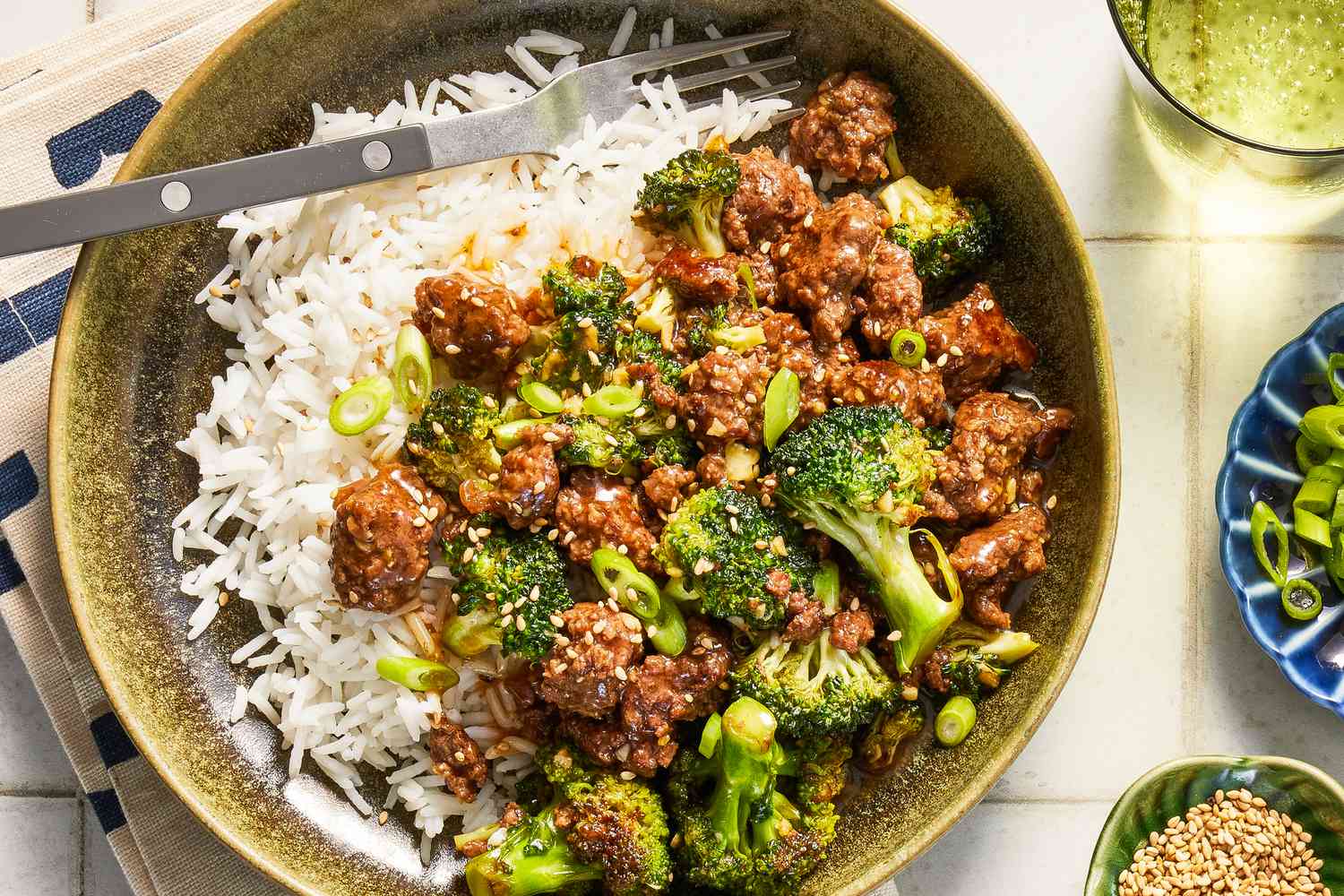
Introduction: Recipes as Stories Told Through Taste
A recipe is more than a list of ingredients and instructions. It is a blueprint for comfort, celebration, creativity, and cultural heritage. From handwritten cards passed through generations to polished online blogs showcasing culinary innovation, recipes serve as both guides and inspirations. They are as much about memory and mood as they are about technique and flavor. Whether simple or elaborate, a great recipe brings joy, evokes emotion, and turns an ordinary kitchen into a stage for magic.
In the world of modern cooking, recipes have evolved from rigid formulas to dynamic expressions of personality. They invite interpretation, allowing each cook to add a pinch of individuality. Understanding the structure, balance, and intention behind recipes can help anyone become more confident in the kitchen and more connected to the food they create.
The Anatomy of a Well-Crafted Recipe
At first glance, a recipe may seem straightforward. Yet behind every successful dish lies thoughtful construction. A well-written recipe offers more than accuracy—it brings clarity, rhythm, and an intuitive flow.
Essential Elements of a Strong Recipe
-
Clear Title: Descriptive and engaging, often hinting at key ingredients or cultural influence
-
Ingredient List: Precise, listed in order of use, with measurements that make sense for the target audience
-
Step-by-Step Instructions: Organized, chronological, and easy to follow
-
Timing and Temperature: Specific guidance on cooking durations and heat levels
-
Tips and Notes: Suggestions for substitutions, common pitfalls, or serving ideas
Well-composed recipes empower cooks of all skill levels. They anticipate questions, offer encouragement, and leave room for adaptation.
Recipes as Cultural Artifacts
Every cuisine tells a story, and every recipe is a page in that narrative. Recipes carry traditions across generations and borders, preserving customs and flavors in a way that transcends language.
Examples of Culturally Significant Recipes
-
Italian Nonna’s Ragu: Slow-cooked with love, often made from memory, never quite the same twice
-
Indian Butter Chicken: A symphony of spice and cream, born from culinary ingenuity in Delhi
-
Japanese Miso Soup: Delicate, nourishing, rooted in centuries of ritual and refinement
-
Mexican Mole Poblano: Complex, symbolic, and deeply tied to regional festivals and family gatherings
Cooking from traditional recipes offers a tactile connection to history. The scent of warm spices or the sound of sizzling onions can evoke a sense of place, ancestry, and belonging.
Creative Expression Through Recipes
While some recipes preserve heritage, others spark innovation. In today’s kitchens, culinary creativity thrives through bold combinations, global fusions, and personal twists.
Ways Recipes Inspire Creativity
-
Ingredient Swaps: Replacing butter with coconut oil, or flour with almond meal, for dietary or flavor changes
-
Flavor Experiments: Adding unexpected pairings like dark chocolate and chili or basil with strawberries
-
Presentation Techniques: Reimagining classics into deconstructed or layered versions
-
Culinary Mashups: Combining techniques or ingredients from different cuisines, like sushi tacos or kimchi quesadillas
The best recipes serve as a canvas. They welcome interpretation and reward experimentation, leading to new favorites that feel uniquely yours.
Adapting Recipes for Lifestyle and Health
As dietary needs and preferences become more diverse, many cooks turn to recipes as tools for wellness. Adapting classic recipes to suit modern lifestyles—whether gluten-free, vegan, keto, or allergen-friendly—requires a thoughtful approach.
Tips for Health-Conscious Recipe Adaptation
-
Focus on Whole Ingredients: Replace refined elements with whole grains, fresh vegetables, and natural sweeteners
-
Use Plant-Based Alternatives: Swap dairy with nut milks or cream with pureed cashews
-
Mind the Flavor: Avoid blandness by balancing textures, spices, and acids
-
Consider Portion Sizes: Scaling down rich recipes helps maintain enjoyment without overindulgence
-
Don’t Compromise on Enjoyment: The goal is flavor with function—not restriction
Healthy cooking doesn’t mean sacrificing satisfaction. With clever adjustments, even indulgent classics can be transformed into nutritious yet flavorful versions.
Recipe Sharing in the Digital Age
The internet has revolutionized the way recipes are discovered, shared, and celebrated. No longer confined to cookbooks or family journals, today’s recipes travel at the speed of social media, connecting communities and sparking viral food trends.
How Technology Shapes Modern Recipes
-
Food Blogs and Vlogs: Personalized, story-driven, and often paired with stunning photography or video
-
Cooking Apps: Offering AI-generated shopping lists, meal planning, and step-by-step timers
-
YouTube and TikTok: Visual platforms perfect for short-format demonstrations and instant inspiration
-
Online Communities: Reddit threads, Facebook groups, and culinary forums where recipes are exchanged, debated, and refined
Technology makes culinary education more accessible than ever, inviting people of all ages and backgrounds into the world of cooking.
The Joy of Recipe Development
Behind every published recipe lies a process of trial, error, and refinement. Whether for professional use or personal joy, creating a new recipe is an act of both logic and passion.
Steps in Developing a Recipe
-
Idea Generation: Inspired by craving, ingredient availability, or seasonal produce
-
Testing and Tasting: Multiple iterations to achieve the right balance of flavor and texture
-
Measuring and Timing: Converting instinctual cooking into replicable instructions
-
Sharing and Feedback: Inviting others to cook, taste, and offer impressions
-
Fine-Tuning: Small adjustments to seasoning, cooking time, or technique
Recipe development is where the head meets the heart. It’s analytical, yet deeply personal. The satisfaction of seeing someone enjoy a dish you created from scratch is unparalleled.
Conclusion: Recipes as a Journey, Not a Destination
A great recipe is not a rulebook—it’s a roadmap. It guides you but doesn’t restrict you. Whether you’re recreating your grandmother’s soup, following a gourmet guidebook, or inventing your own twist on banana bread, the true beauty of a recipe lies in its potential. It invites you to explore, learn, taste, and share.
In every kitchen, in every pot and pan, stories unfold—one spoonful at a time. And in every recipe, there’s an invitation to participate in something timeless, delicious, and entirely human. So open that cookbook, scroll through that blog, or scribble your own creation on a notepad. Let recipes be your passport to creativity, culture, and connection.