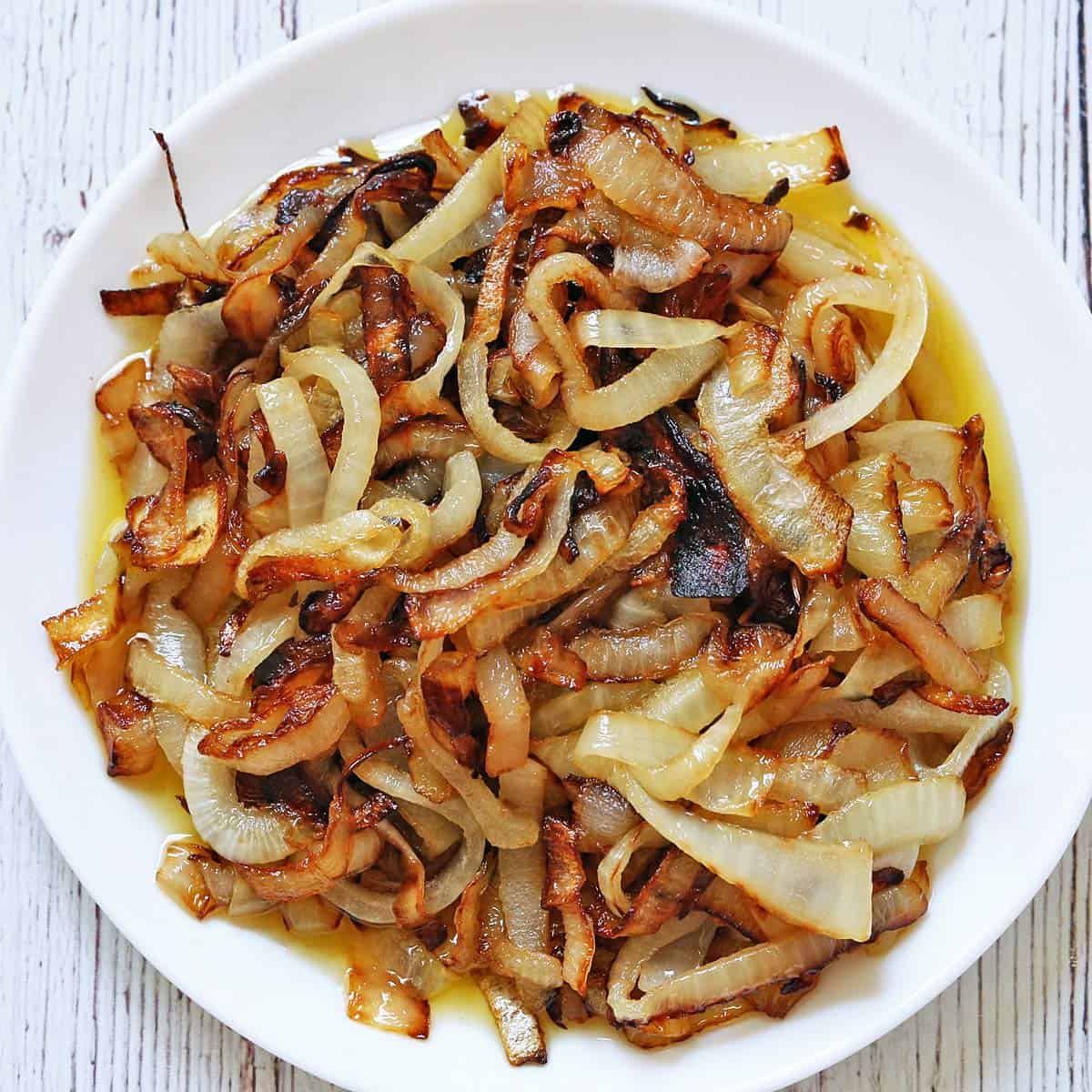
The word saute comes from the French term meaning to jump, which references the quick motion of tossing ingredients in a hot pan. However, achieving that coveted, deep golden-brown crust on vegetables, meats, or seafood requires much more than just tossing food around haphazardly. It requires an understanding of chemistry, thermal dynamics, and moisture control. When executed correctly, a proper saute transforms simple ingredients into culinary masterpieces defined by contrasting textures and rich, savory flavors.
The Science Behind the Crust
The secret to a perfect golden-brown exterior lies in a chemical reaction known as the Maillard reaction. This complex process occurs when proteins and reducing sugars in food are exposed to high heat, typically starting around three hundred degrees Fahrenheit.
Water is the absolute enemy of this process. If an ingredient contains surface moisture, the pan’s energy will be diverted into boiling that water off rather than browning the food. This turns your intended sear into a dull, grey steam bath. Controlling moisture and understanding heat transfer are the primary pillars of mastering the art of the skillet.
Selecting the Right Pan Material
Not all kitchen pans are created equal when it comes to high-heat cooking. The material of your skillet dictates how evenly heat is distributed and how well it retains temperature when cold food is introduced.
-
Stainless Steel: An exceptional choice for developing a rich fond and deep browning because it reacts well to high temperatures and allows food proteins to briefly stick and release naturally once the crust forms.
-
Cast Iron: Unbeatable for heat retention, making it ideal for searing thick cuts of meat and achieving a uniform, dark golden-brown finish.
-
Carbon Steel: Combines the quick responsiveness of stainless steel with the non-stick seasoning benefits of cast iron, making it a favorite among professional line cooks.
-
Non-Stick Pans: While great for delicate items like eggs, traditional non-stick coatings cannot handle the intense heat required for proper Maillard browning and lack the surface grip needed for great crust formation.
Mastering Moisture Control Before Cooking
Before anything touches hot oil, you must ensure the surface of your ingredient is completely dry. Wet chicken breasts, damp mushrooms, or rinsed cubed potatoes will immediately lower the pan temperature and release steam.
-
Pat Dry Thoroughly: Always use clean paper towels to blot away excess surface moisture from meats, poultry, and fish before seasoning.
-
Salt Timing Matters: Salt draws out moisture through osmosis. If you salt meat and let it sit, either cook it immediately or wait until the moisture has been drawn out and reabsorbed, or pat it dry again right before cooking.
-
Avoid Overcrowding: Tossing an entire pound of wet mushrooms into a small skillet guarantees they will release their internal juices and boil in their own liquid. Cook in small batches to give every piece breathing room.
Choosing and Heating Your Cooking Fat
Fat acts as a thermal bridge, transferring heat efficiently from the hot metal surface of the pan into the irregular contours of the food. However, you must choose a fat with a smoke point appropriate for high-heat cooking.
-
High Smoke Point Oils: Refined avocado oil, grapeseed oil, canola oil, and clarified butter can withstand intense heat without burning or turning acrid.
-
Butter and Extra Virgin Olive Oil: While delicious, these fats have low smoke points and contain milk solids or compounds that burn quickly at high temperatures, turning bitter. Save them for low-heat cooking or finish a dish with them at the very end.
-
Preheating the Pan: Always heat your dry pan first over medium-high heat for a few minutes before adding your oil. Once the oil shimmers and shows light wisps of smoke, your pan is properly primed for food entry.
The Technique of Patience
The biggest mistake home cooks make is moving the food around too much. When you drop a chicken breast or a slice of zucchini into a hot pan, leave it alone.
If you try to flip a piece of meat too early, it will stick aggressively to the metal. As the Maillard crust develops, the proteins naturally release themselves from the pan surface. Trust the process, resist the urge to poke and prod, and wait until a rich golden hue forms before flipping to the second side.
Frequently Asked Questions
Why does my food stick to the stainless steel pan during a saute?
Food sticks initially because the proteins form bonds with the hot metal pores. If you wait patiently, the food will naturally release itself once the surface moisture evaporates and a proper crust forms.
Can I mix butter and oil to get the best of both worlds?
Yes, adding a small spoon of butter to a high-smoke-point oil like canola gives you the rich flavor of butter while the oil raises the overall smoke point to prevent burning.
How do I know when my pan is hot enough for a proper saute?
Perform the water droplet test. Splash a tiny single drop of water into the dry preheated pan; if it instantly sizzles, breaks apart, and dances across the surface, your pan is ready.
Why did my vegetables turn grey and mushy instead of golden brown?
This happens when the pan is overcrowded, trapping steam, or when the heat is set too low, causing the vegetables to sweat out their internal moisture rather than sear.
Should I cover the pan with a lid while sauteing?
Never cover a pan when you want a golden-brown saute. Lids trap escaping steam, turning your dry-heat cooking method into a steaming or braising process.
Is it necessary to use a lot of oil for a successful saute?
No, a saute requires a relatively small amount of fat just enough to coat the bottom of the pan and facilitate heat transfer, unlike deep frying where food is completely submerged.
How do I clean my pan after getting a great browned crust?
Deglaze the hot pan with a splash of wine, broth, or water while scraping up the browned bits, known as fond, to create an instant pan sauce before washing.