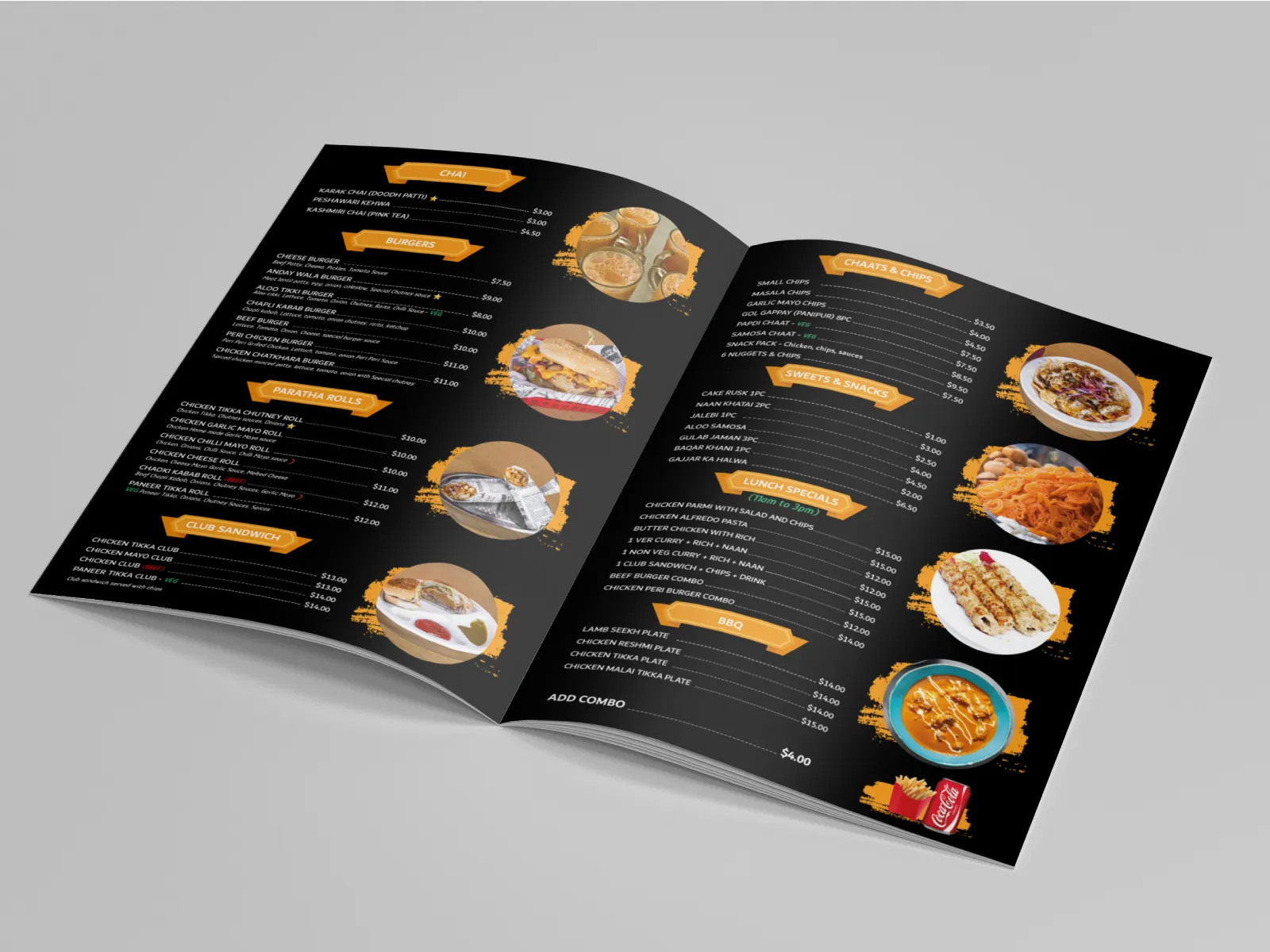
Running a successful dining establishment requires a delicate balance between maintaining signature guest favorites and keeping the dining experience fresh and exciting. One of the most effective strategies for achieving this balance involves adapting the restaurant menu to reflect the changing seasons. Transitioning offerings in harmony with nature brings incredible advantages, ranging from superior flavor profiles and reduced food costs to heightened consumer engagement. Diners increasingly seek out fresh, locally sourced ingredients that mirror the time of year. Shifting away from stagnant menus allows a restaurant to showcase culinary creativity while building deep-rooted connections with regional agricultural partners.
The Economic and Environmental Advantages of Seasonality
Shifting your menu alongside the changing calendar is far more than a trendy culinary gimmick; it serves as a powerful business model that directly impacts profitability and sustainability. When produce and proteins are harvested at their peak, availability skyrockets, which naturally drives down acquisition costs.
-
Peak Flavor Delivery: Crops harvested in their natural growing season taste profoundly better than items forced to mature in artificial environments or shipped across continents.
-
Supply Chain Resilience: Partnering with nearby farms reduces heavy reliance on complex international shipping networks, minimizing the risk of supply chain disruptions.
-
Cost Fluctuations Management: Buying local produce in abundance during harvest months protects restaurants from the inflated out-of-season pricing typical of mass-market distributors.
Transitioning Core Proteins and Produce
Adapting a menu for seasonal shifts requires thoughtful consideration of how guest appetites change as the weather transforms. Heavy, warming comfort foods that satisfy diners during frigid winter months can feel completely unappealing during scorching summer afternoons.
-
Summer Vibrancy: Warm-weather menus thrive on raw preparations, vibrant heirloom tomatoes, delicate stone fruits, and light seafood options that highlight freshness and hydration.
-
Winter Comfort: Cold-weather offerings shift toward slow-braised meats, dense root vegetables, earthy squashes, and rich reductions that provide warmth and heavy satisfaction.
-
Bridge Seasons: Spring and autumn act as transitional phases where menus can blend crisp early greens or harvest apples with comforting grains and roasted elements.
Designing the Seasonal Menu Architecture
Rolling out a completely new menu four times a year can overwhelm both the front-of-house service staff and the back-of-house kitchen crew. A sustainable approach involves maintaining a stable core of year-round anchor items while rotating a designated percentage of the menu according to seasonal availability.
-
The 80-20 Rule: Keep eighty percent of popular guest favorites steady to maintain brand identity, leaving twenty percent open for rotating seasonal specials.
-
Modular Recipe Construction: Build base recipes that easily swap out garnishes or side vegetables as ingredients cycle through harvest schedules.
-
Flexible Printing Solutions: Utilize digital menu boards or easily replaceable paper inserts to avoid the high printing costs associated with permanent leather-bound menus.
Staff Training and Front-of-House Communication
A seasonal menu change cannot succeed if the service staff is unprepared to articulate the new offerings to customers. When servers understand the origin, flavor profile, and inspiration behind each new dish, they transform into enthusiastic storytellers who can guide guests through the updated culinary journey.
-
Tasting Sessions: Host mandatory pre-shift tasting sessions for all servers and bartenders so they experience every new dish firsthand.
-
Provenance Education: Teach staff where the ingredients come from, highlighting local farms, orchards, and fisheries to add value and transparency for the diner.
-
Allergy and Dietary Adaptation: Ensure the team is fully briefed on how seasonal updates impact allergen declarations and specialized dietary modifications.
Marketing the Seasonal Shift
Introducing new dishes offers a fantastic marketing opportunity to re-engage loyal regular customers and attract first-time diners looking for fresh dining concepts. Strategic promotion bridges the gap between kitchen innovation and dining room traffic.
-
Social Media Storytelling: Share behind-the-scenes glimpses of chefs visiting local farms, testing new recipes, and sketching out fresh plating designs.
-
Limited-Time Offers: Build urgency by promoting seasonal features as limited-run items available only while specific crops or catches remain in season.
-
Special Pairing Dinners: Host ticketed multi-course seasonal tasting dinners featuring local wine or craft beer pairings to celebrate the launch of each new menu iteration.
Frequently Asked Questions
How far in advance should a restaurant plan its seasonal menu updates?
Chefs and restaurant managers should begin planning a seasonal menu shift at least six to eight weeks before the transition date. This window allows ample time to source ingredients, test recipe formulations, calculate food costs, and train service staff.
What is the biggest challenge when transitioning from a winter to a summer menu?
The primary challenge is managing inventory carryover without wasting expensive winter ingredients while simultaneously training line cooks to adjust their pacing from slow-braising techniques to fast, high-heat summer preparations.
How do you handle customer complaints when a popular item is removed for the season?
Staff should gently explain that the dish relies on ingredients that are no longer available at peak quality, while using the opportunity to recommend a newly introduced seasonal alternative with similar flavor characteristics.
Should beverage menus change alongside food menus?
Beverage and cocktail programs should always mirror seasonal food updates. Incorporating fresh summer berries and herbs or warm winter spices into drink offerings creates a cohesive dining experience that amplifies the kitchen’s culinary vision.
How do seasonal menus impact inventory waste management?
Seasonal menus actually reduce waste because ingredients are purchased at peak abundance and utilized close to their origin, decreasing spoilage rates compared to storing specialty out-of-season produce that degrades quickly.
Are there specific cuisines that adapt to seasonal changes more easily than others?
Cuisines rooted in farm-to-table traditions, such as Italian, Mediterranean, and modern American regional cooking, adapt to seasonal changes naturally because their foundational philosophies prioritize local, fresh, and immediate availability.