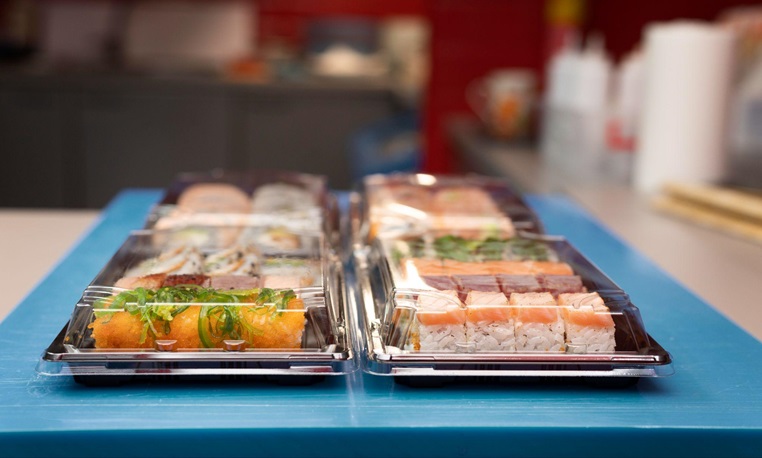
Half-day seminars run on tighter schedules than most corporate events, which makes meal format a bigger logistical decision than it might first appear. A buffet line works well for events with generous break periods, but seminar package catering in Singapore increasingly favours bento sets specifically because of how differently the two formats handle time pressure, dietary variation, and space constraints. Weighing these three considerations against the seminar’s actual schedule tends to produce a better outcome than defaulting to whichever format was used last time, particularly since a format that worked well for one event can quietly undermine another if the room layout or break structure differs even slightly.
1. How Each Format Handles a Tight Break Schedule
A buffet line requires attendees to queue, select items, and return to their seats, a process that can consume a meaningful portion of a short thirty or forty-five minute break, especially with a larger seminar group. Bento sets, distributed directly to seats or a collection point, eliminate the queuing bottleneck entirely, allowing attendees to begin eating almost immediately once the break starts. For seminars with back-to-back sessions and minimal buffer time, this difference in eating readiness time isn’t a minor convenience, it directly affects whether the seminar can realistically resume on schedule. A queue that takes even ten extra minutes to clear can push an entire afternoon programme behind, an effect that compounds across multiple sessions and often frustrates a facilitator trying to keep to a published agenda.
2. Managing Dietary Variation Without Slowing Down Service
Halal corporate catering in Singapore for a mixed seminar audience often needs to account for multiple dietary requirements simultaneously, and a buffet line handling this variety can create confusion or delay if dietary-specific dishes aren’t clearly labelled and positioned. Bento sidesteps this issue by allowing each dietary variation to be pre-packed and clearly marked before distribution, meaning attendees with specific requirements receive the correct meal without needing to navigate a shared serving line or ask staff to confirm ingredients under time pressure. This distinction matters more as seminar attendee lists grow larger and more diverse, since a buffet line serving a hundred or more attendees with several dietary categories represented becomes considerably harder to manage smoothly without noticeable slowdown, whereas pre-sorted bento sets simply need accurate labelling arranged ahead of time.
3. Space and Setup Requirements Within the Venue
Buffet lines require dedicated table space, serving equipment, and often staff present to manage the line throughout the service window, which can be difficult to accommodate in smaller seminar venues or spaces where the room needs to be reset quickly for an afternoon session. Bento sets require considerably less setup, often needing only a collection table or direct distribution to seats, freeing up venue space that would otherwise be dedicated to a serving station. For half-day events where the room serves multiple purposes across the schedule, such as a training room that needs to be rearranged for group activities after lunch, this space efficiency can be a deciding factor on its own, since every square metre given to a buffet setup is space unavailable for the seminar’s actual programme needs.
Weighing the Two Formats
| Consideration | Bento Sets | Buffet Line |
| Speed during short breaks | Immediate access, no queuing | Queuing can consume break time |
| Dietary variation handling | Pre-packed and clearly labelled | Requires clear labelling and space to avoid confusion |
| Venue space needed | Minimal, easy to distribute | Requires dedicated serving area |
Choosing the Format That Matches the Schedule
Neither format is universally superior, since a buffet line still suits seminars with longer, more relaxed break periods and smaller attendee groups where queuing isn’t a significant time cost. The clearer signal is the seminar’s actual schedule and dietary complexity, and for tightly timed half-day events with a mixed audience, bento sets tend to keep the programme running smoothly in a way that a buffet line often cannot match under the same time constraints. Planners weighing this decision close to the event date may find it useful to walk through the actual minute-by-minute schedule with the caterer beforehand, since a format that looks fine on paper can still create friction once the practical realities of the room and break timing are accounted for.
Contact Swee Heng Corporate to discuss whether bento sets or a buffet line would better suit your next half-day seminar’s schedule and dietary requirements.